
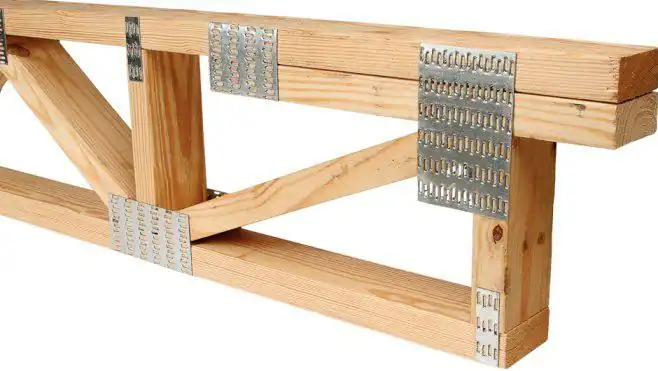
Truss Connector Plates, also known as Metal Connector Plates, Truss Plates, or Gang Nail Plates, are metal structural connectors used to join the timber members of wood trusses.
They are typically made from galvanized steel sheets, with multiple rows of evenly spaced teeth formed through a stamping process.
How the Connector Plate Functions
Truss Connector Plates create strong connections between timber members through the mechanical engagement of metal teeth with wood. Their working principle involves four key processes:
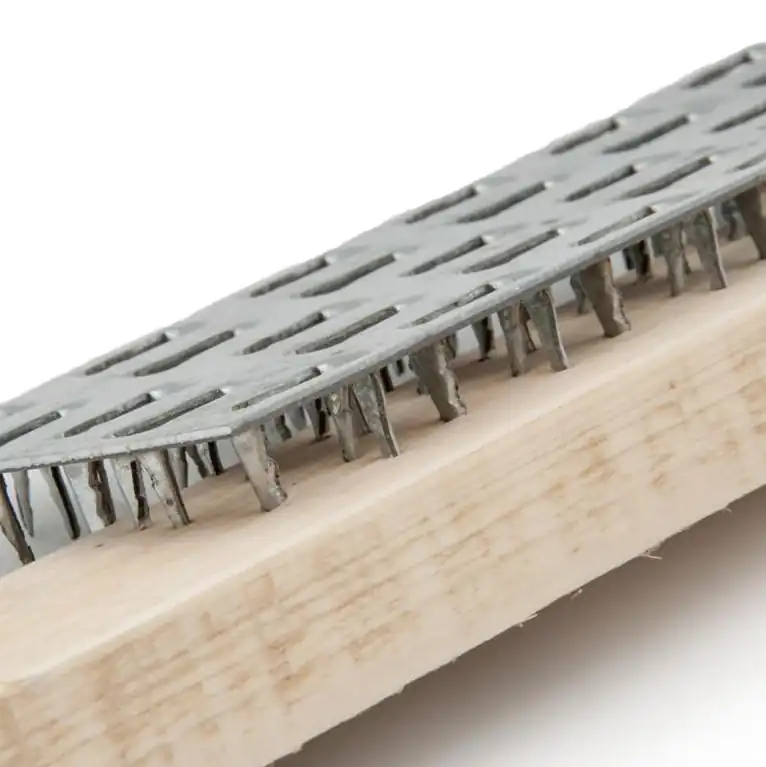
Metal Teeth Embed into the Wood
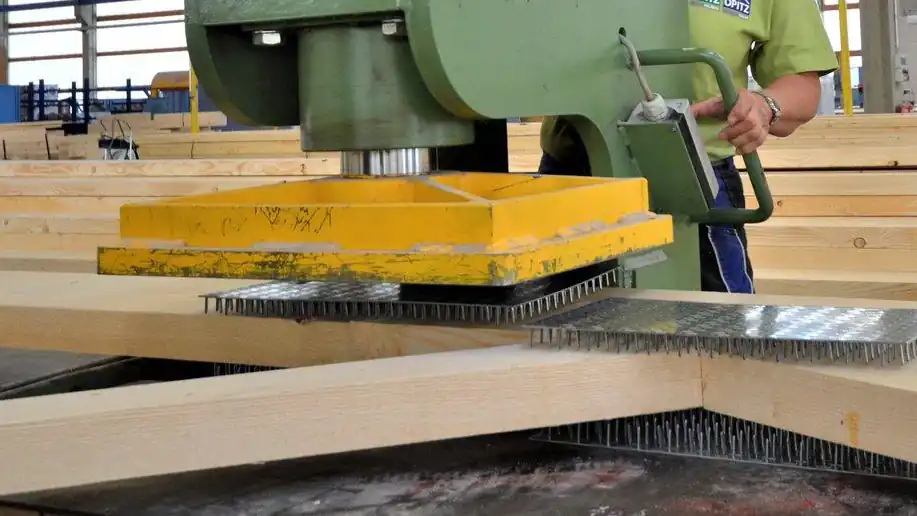
The metal teeth on the connector plate are pressed into the wood using hydraulic pressing equipment or roller presses. This allows the teeth to penetrate the wood and form a secure mechanical connection.
Joining Different Timber Members
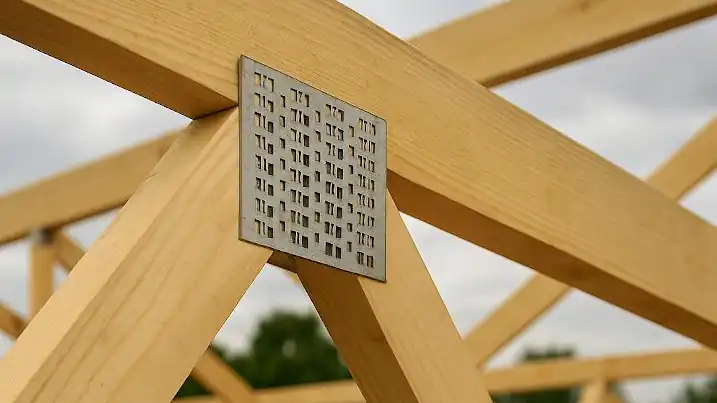
Truss connector plates are typically installed on both sides of a timber joint, bridging the connection between adjacent members. The plates hold the timber members firmly together and help prevent them from separating.
Transferring Structural Loads
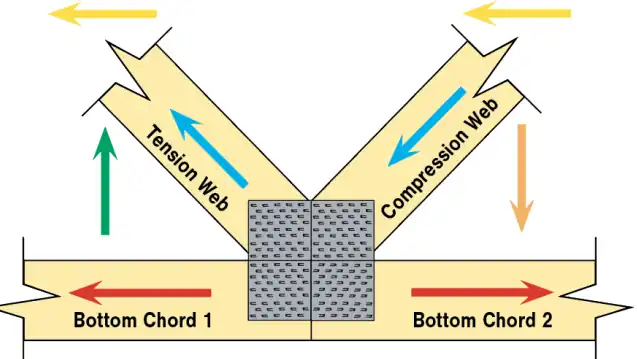
When a truss is subjected to external loads, its timber members experience tension, compression, and shear forces. The connector plates transfer these forces between adjacent timber members through the mechanical interaction between the metal teeth and the wood.
Maintaining Structural Stability
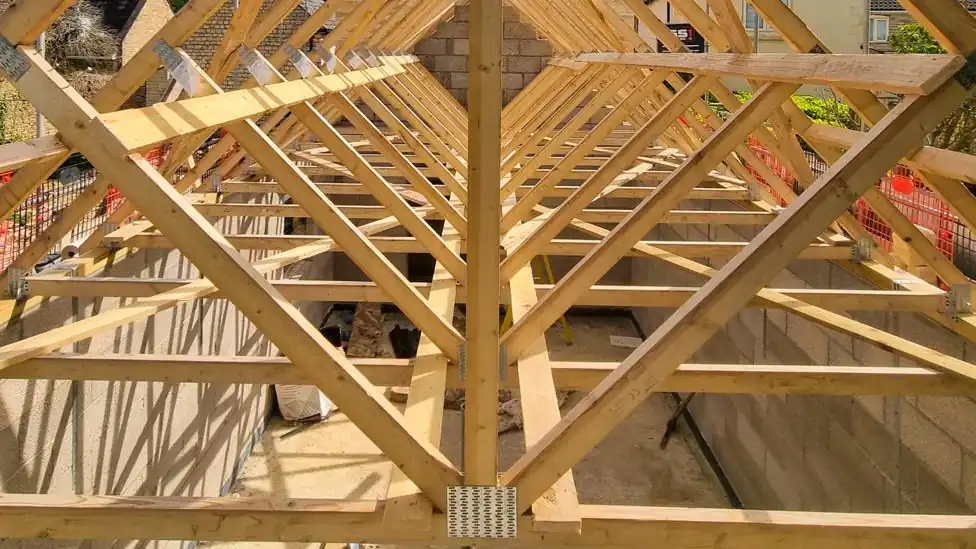
By securely connecting multiple timber members, truss connector plates allow them to work together as a structural unit and resist loads as intended by the design. This helps improve the reliability of the joints and the overall stability of the truss structure.
Types of Truss Connector Plates
Truss Connector Plates are designed to connect different timber members in wood truss structures. They are typically made from galvanized steel using a stamping process.
Based on their structural design, load-bearing requirements, dimensions, and applications, truss connector plates can be divided into several categories.
Types of Truss Connector Plates by Connection Structure
They are commonly used in roof trusses, floor trusses, and other prefabricated wood structures.
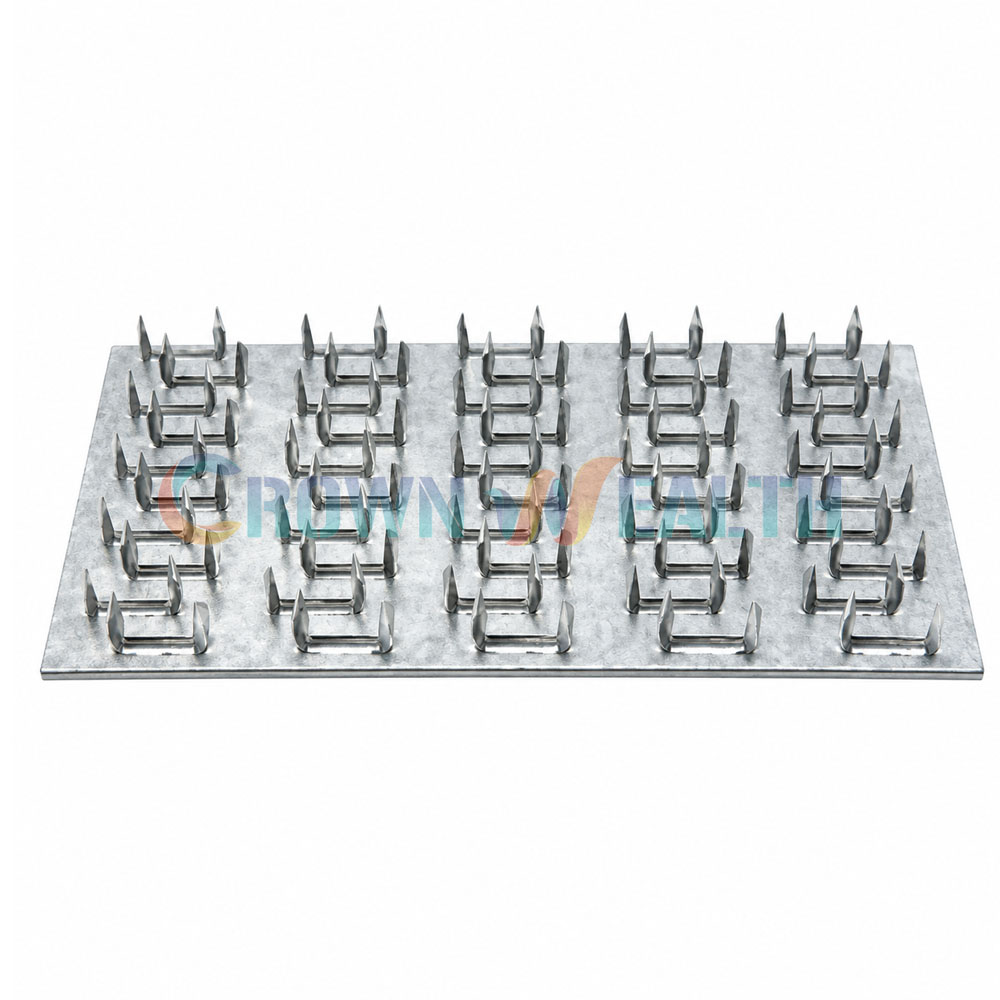
CW-TPD Series – Galvanized Steel Double Teeth Truss Nail Plates for Wood
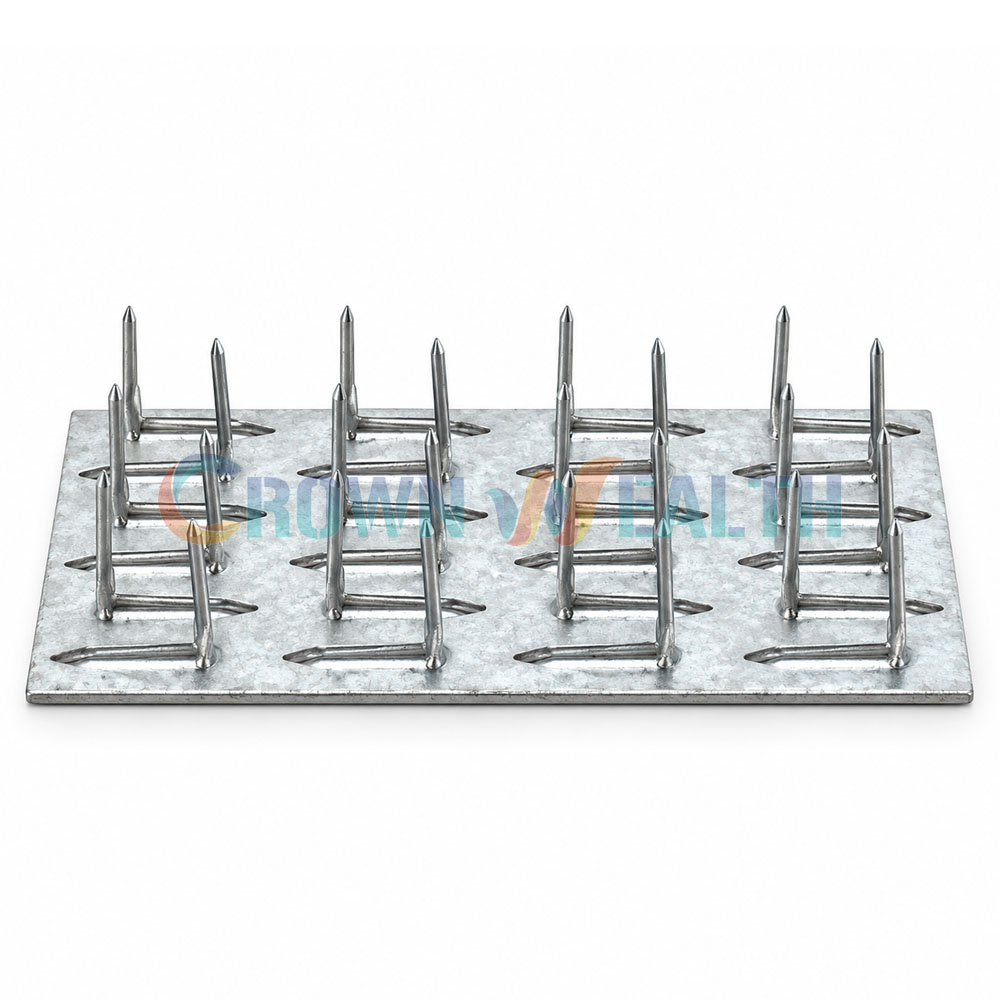
CW-TPS Series – Galvanized Steel Single Tooth Truss Nail Plates for Wood
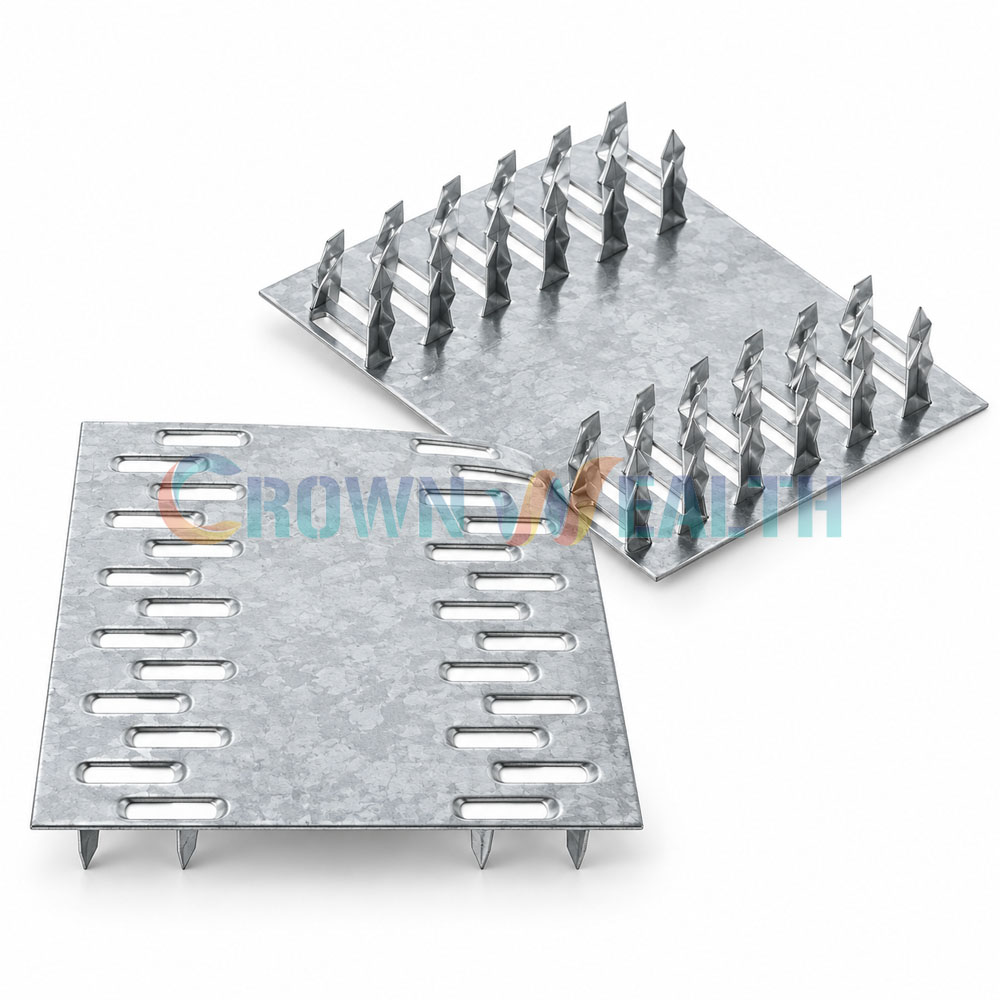
CW-AU Series – Galvanized Steel Truss Nail Plates with Teeth at Both Ends for Wood
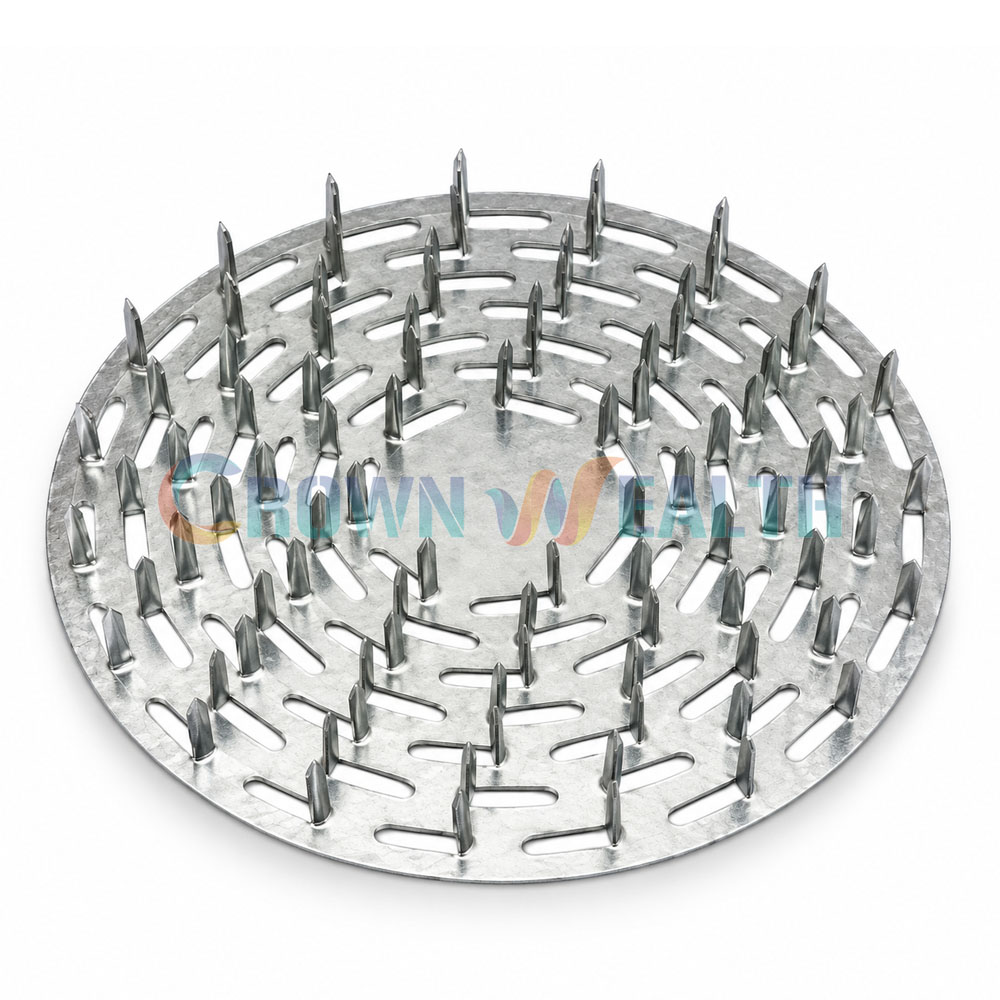
CW-AF Series – Galvanized Steel Round Truss Nail Plates for Wood
These connectors are commonly used for on-site assembly, repair, and reinforcement of wood trusses. They are easy to install and do not require specialized pressing equipment.
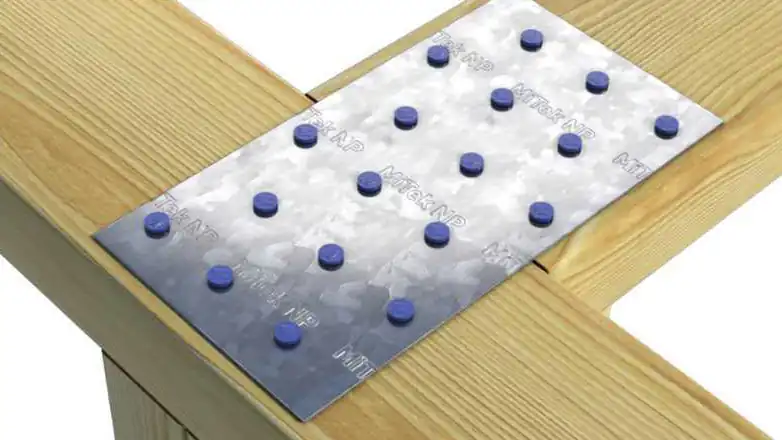
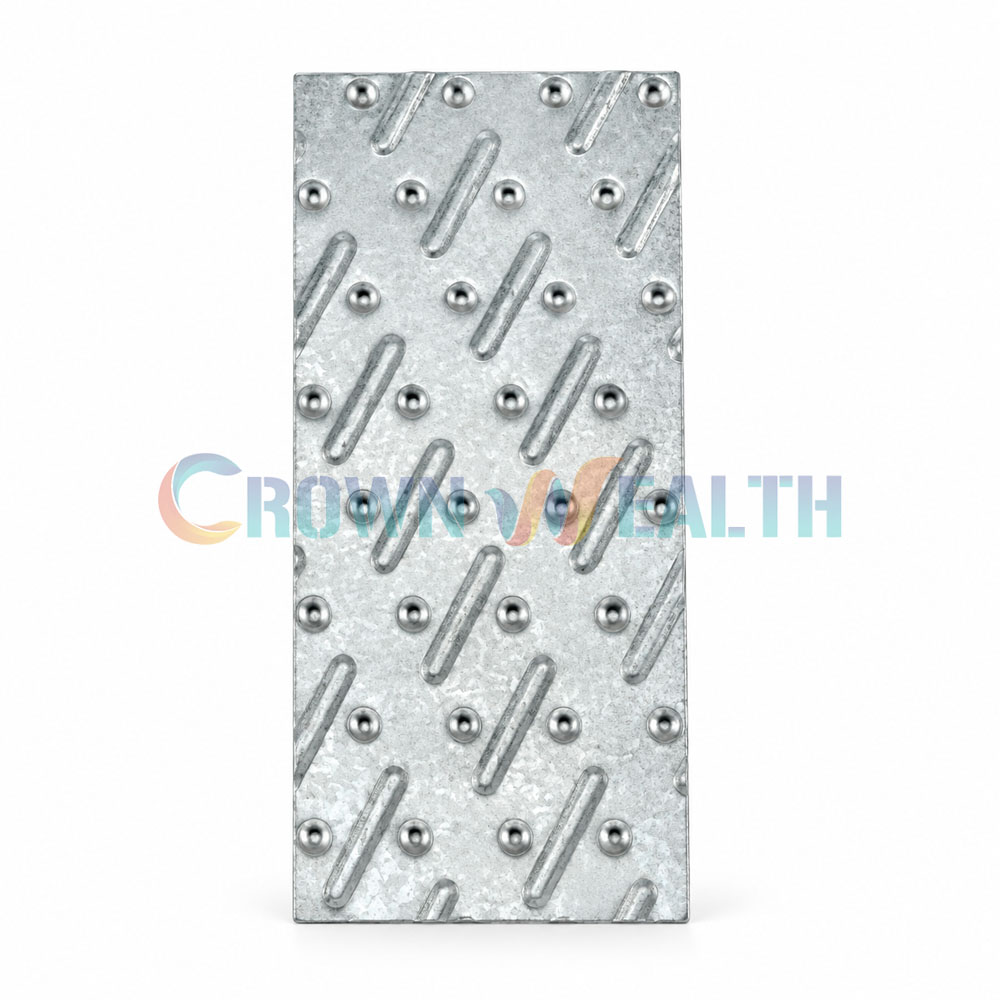
Types of Truss Connector Plates by Load-Bearing Capacity
Standard truss connector plates are designed for general wood truss connections and commonly used structural applications.
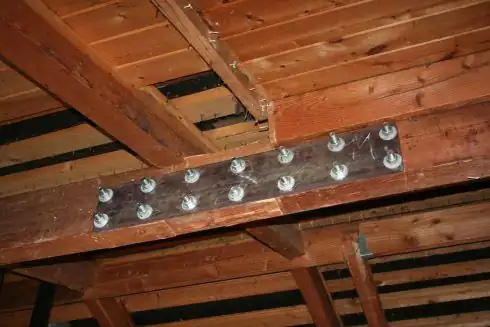
Heavy-duty truss connector plates are designed for applications requiring higher load-bearing capacity and stronger connections.
Custom truss connector plates are manufactured to meet specific project requirements, with options for custom dimensions, material thicknesses, plate shapes, and tooth configurations.
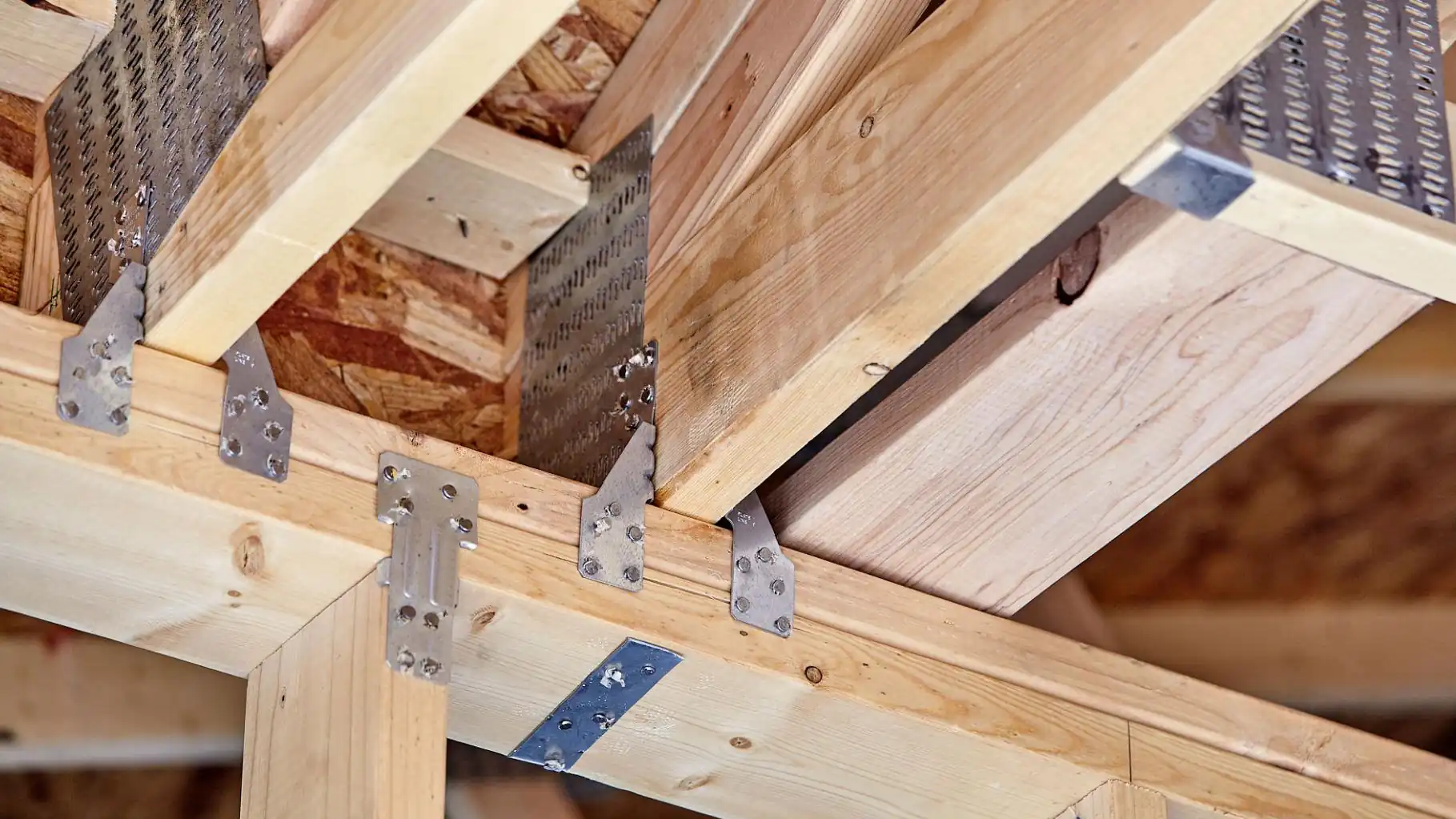
Types of Truss Connector Plates by Application
How Are Truss Connector Plates Manufactured?
Truss connector plates are typically manufactured from galvanized steel sheets. The production process includes material preparation, precision stamping, tooth formation, finishing, and quality inspection.
Each stage is essential to achieving accurate dimensions, reliable connection strength, and long-lasting durability.
OEM & CUSTOM MANUFACTURING
Hbcrownwealth supplies precision-stamped metal connectors with reliable quality control. We offer custom sizes, thicknesses, shapes, and tooth configurations for your wood truss applications.
Explore Truss Connector PlatesFrequently Asked Questions
What do truss connector plates do?
Truss connector plates join timber members together to form strong structural connections. They transfer loads between connected members, allowing the wood truss to function as a structural system.
What are truss connector plates called?
Truss connector plates are also called metal connector plates, truss plates, or gang nail plates. These names commonly refer to toothed metal connectors used in prefabricated wood trusses.
How are truss connector plates attached?
Truss connector plates are typically installed on both sides of timber joints using hydraulic presses or roller presses. The equipment presses the metal teeth into the wood to create secure mechanical connections.
Are truss plates structural?
Yes. Structural truss connector plates transfer loads between timber members in roof and floor trusses. Their load-bearing capacity depends on the plate design, material properties, wood characteristics, and proper installation.
How thick are truss plates?
Truss connector plates are typically made from thin galvanized steel sheets. The thickness varies depending on the plate design, manufacturer specifications, and structural requirements.
Do truss plates need nails?
Standard toothed truss connector plates do not require additional nails because their metal teeth are pressed directly into the wood. However, nail-on connector plates use specified nails or other approved fasteners for installation.
Can you hammer truss plates?
No. Structural toothed truss connector plates should not be installed with a hammer. They require suitable pressing equipment to ensure proper tooth penetration and secure connections.
What is the difference between a mending plate and a truss plate?
Mending plates are commonly used to join or reinforce wood members in non-structural applications.
In contrast, structural truss connector plates are engineered to transfer loads between timber members in wood trusses. Standard mending plates should not replace structural truss connector plates unless specifically approved for that purpose.
