
What Is a Joist Hanger
A joist hanger is a formed steel connector designed to support the end of a wood joist. It connects the joist to a load-bearing structural member, such as a beam, header, or ledger board.
Joist hangers are available in various designs, including face-mount, top-flange, concealed-flange, skewed, sloped, and adjustable types. They can accommodate different joist materials and configurations, such as solid-sawn lumber, I-joists, LVL, and double joists. They are also available in standard and heavy-duty models to meet different load requirements.
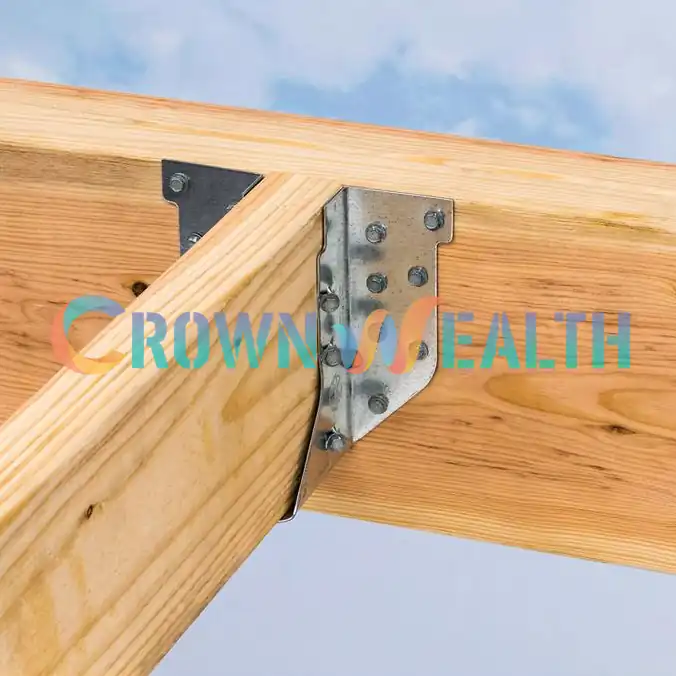
What Are the Main Types of Joist Hangers?
Joist hangers are available in different designs to meet the needs of various wood framing applications.
They can be classified by mounting method, connection angle, the type of structural member they support, and load capacity.
Joist Hangers by Mounting Method and Flange Design
Joist hangers can be grouped by how they attach to the supporting member and how their mounting flanges are designed.
The main types include face-mount, top-flange, and concealed-flange joist hangers.
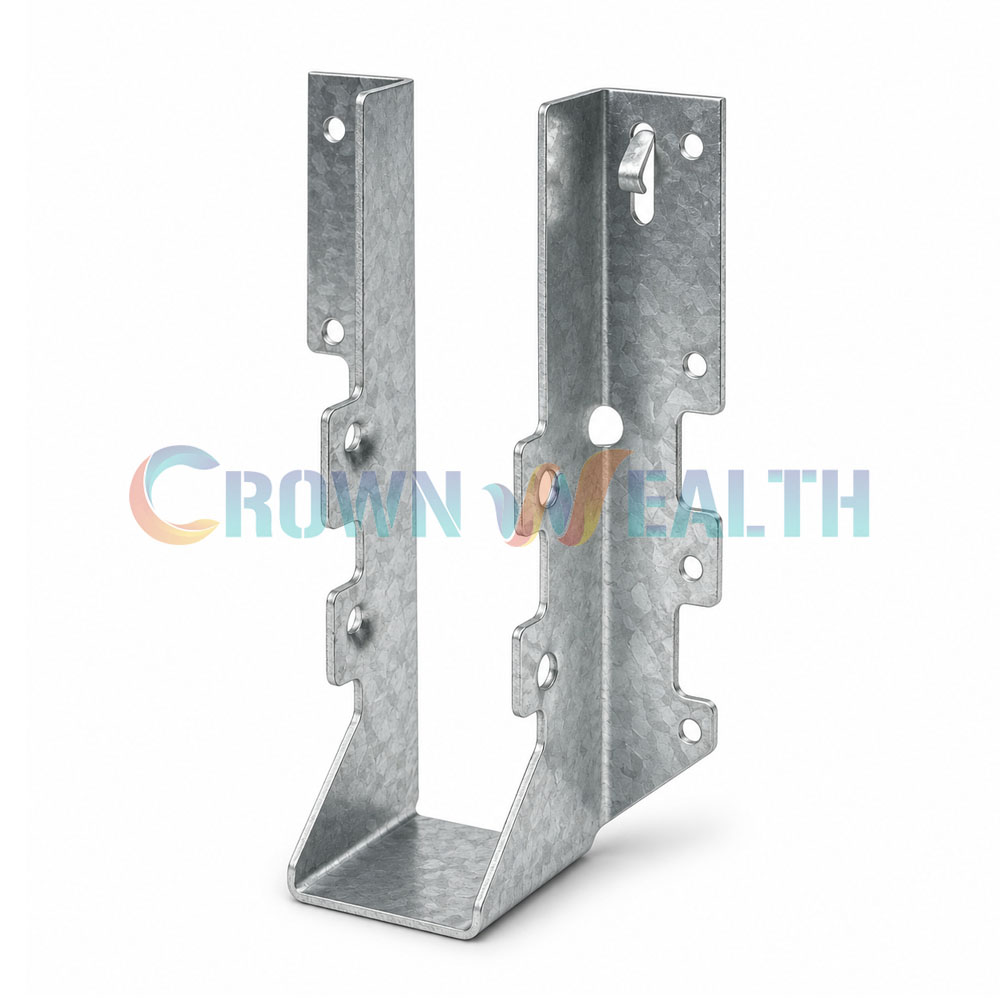
Face-mount joist hangers are among the most common types used in wood framing.
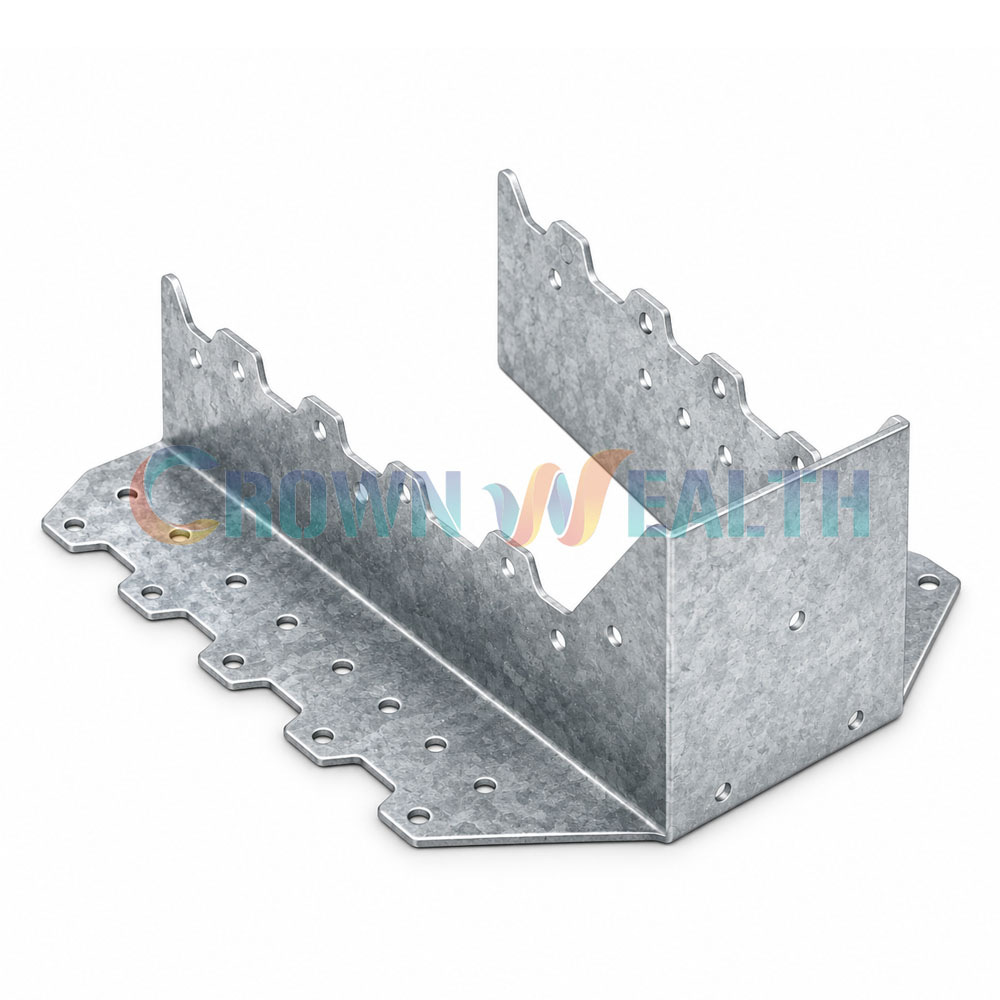
They typically have a U-shaped seat and mounting flanges that are fastened to the vertical face of a supporting member.
The seat supports the end of the joist, while the hanger and fasteners transfer the load to the supporting member.
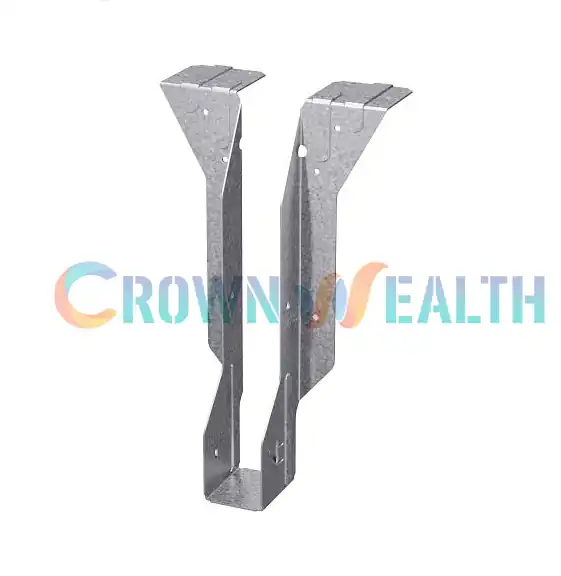
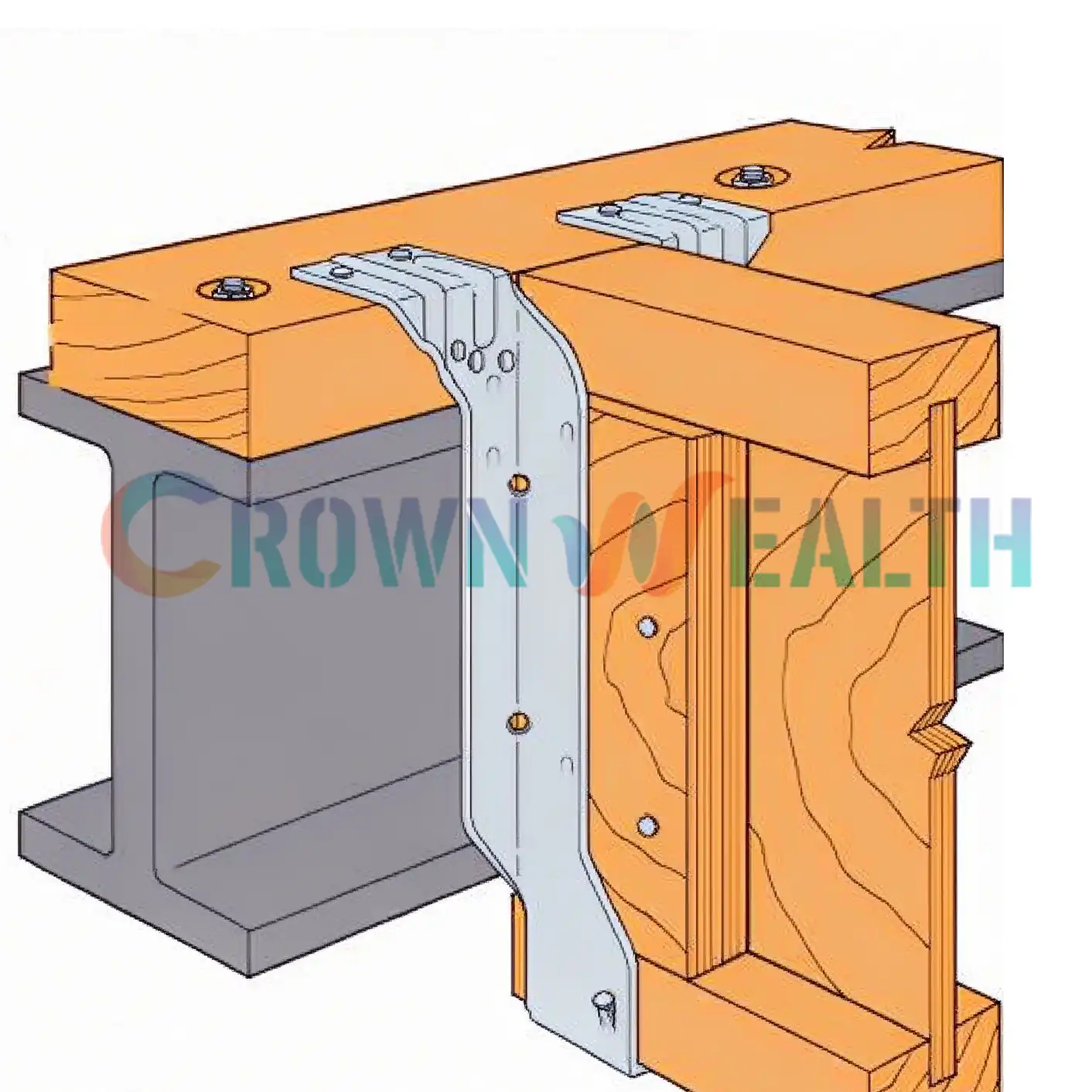
Top-flange joist hangers have flanges that extend over the top of a supporting beam or header.
Unlike face-mount hangers, they can transfer vertical loads through direct bearing between the top flange and the supporting member.
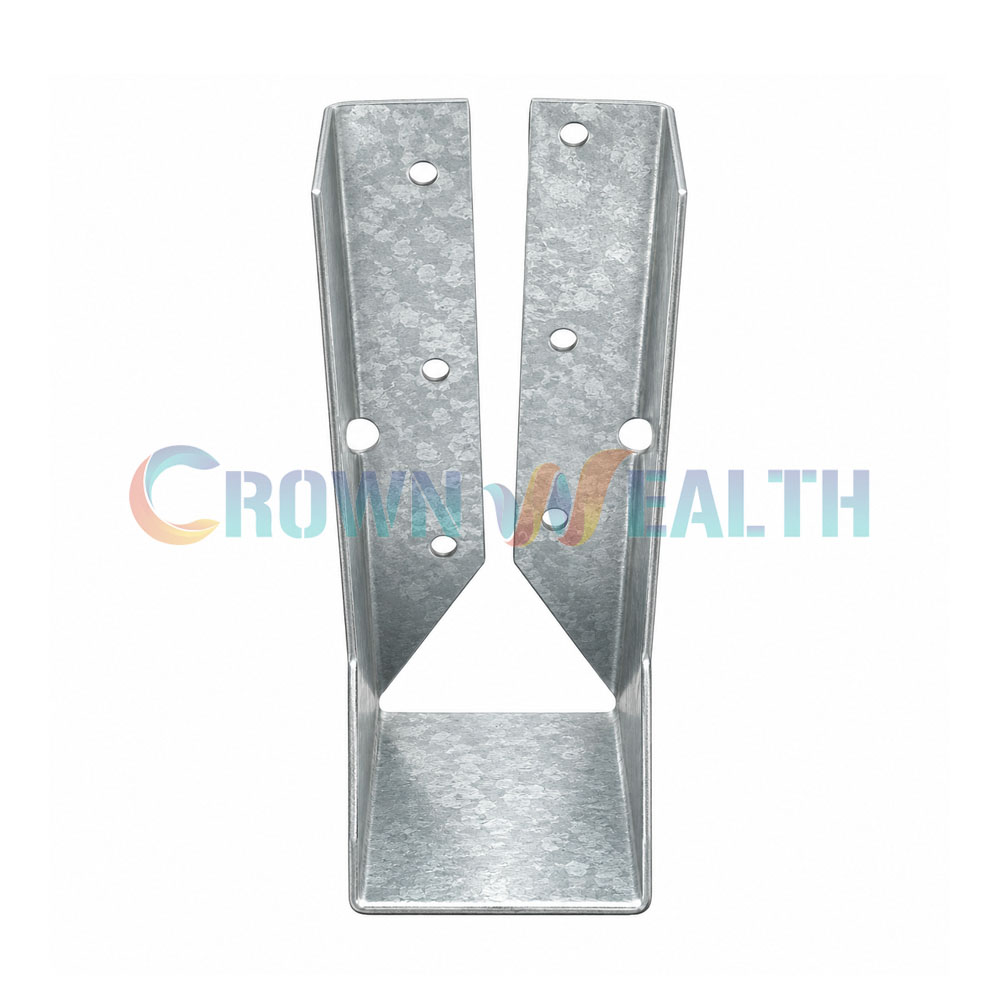
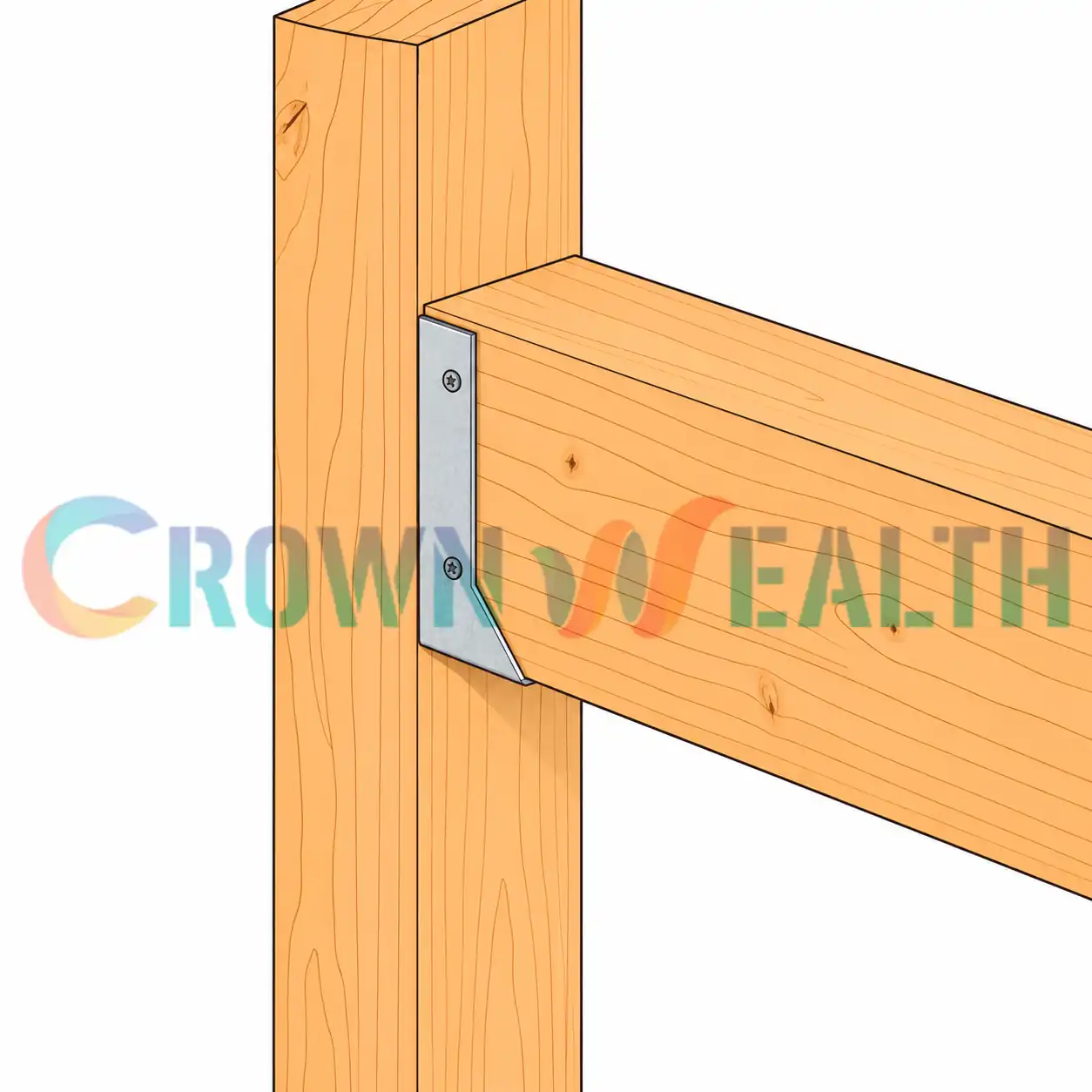
Concealed-flange joist hangers are a variation of face-mount hangers.
Their mounting flanges are turned inward, making them less visible once the joist is installed.
This design reduces exposed metal and gives the connection a cleaner appearance.
Joist Hangers by Connection Angle
Joists do not always meet supporting members at a 90-degree angle. Some connections require a horizontal angle, a vertical slope, or both.
To accommodate these conditions, joist hangers are available in different designs, including skewed, sloped, and adjustable models.
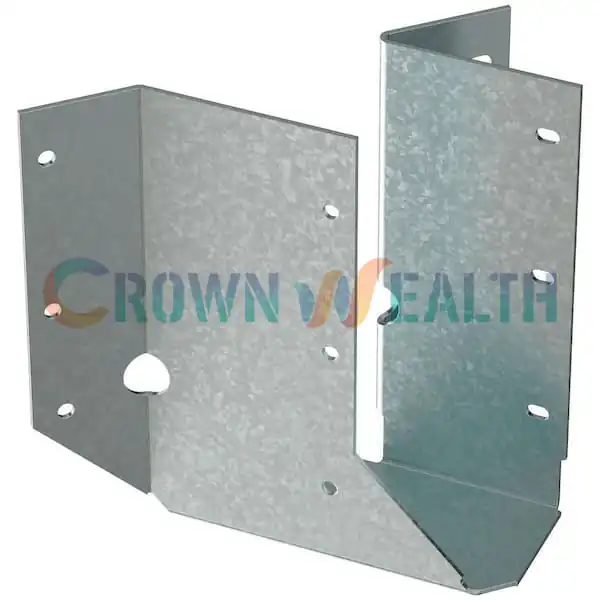
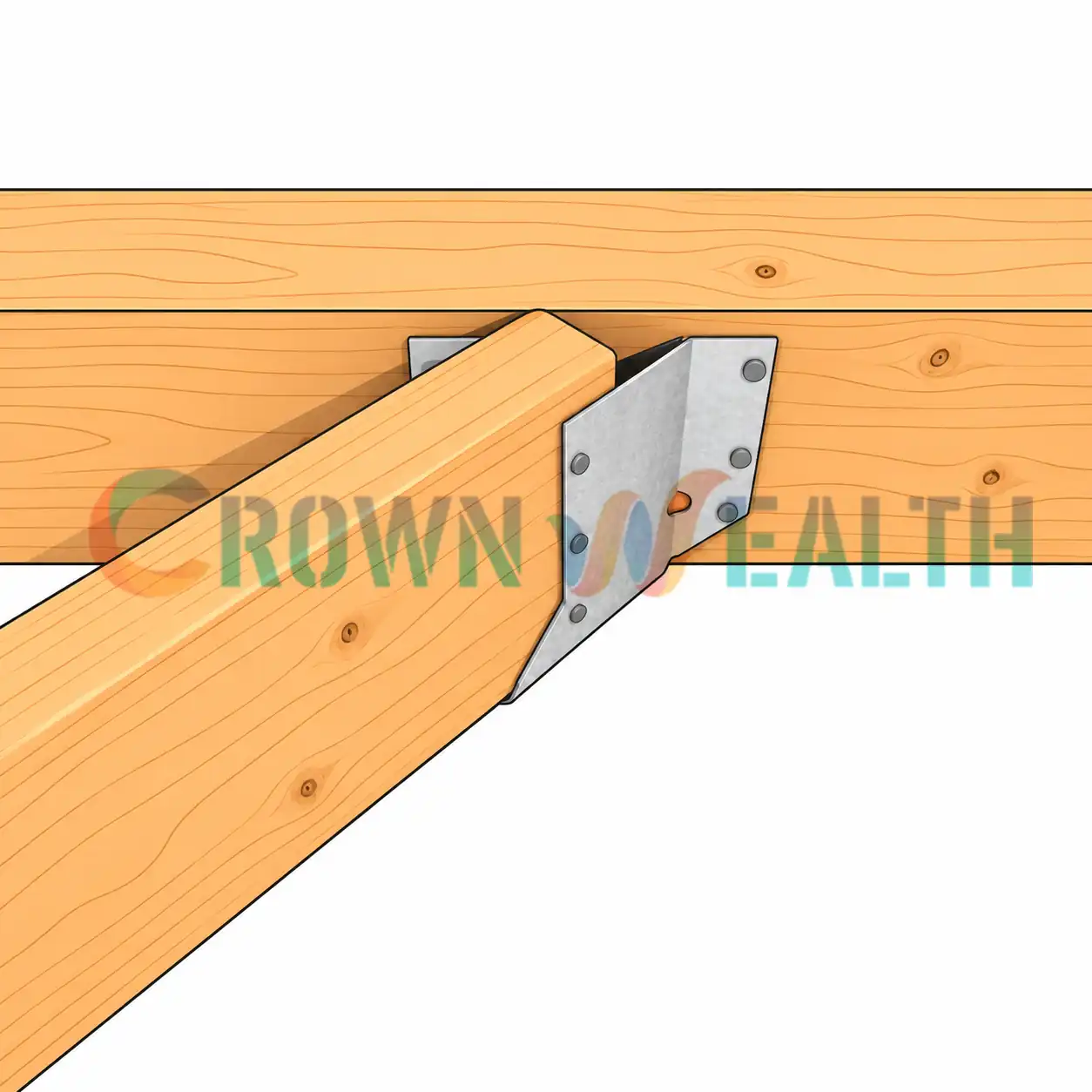
Skewed joist hangers are designed for connections where the joist meets a supporting member at an angle other than 90 degrees in the horizontal plane.
They are available in left-skewed and right-skewed configurations to suit different framing layouts.
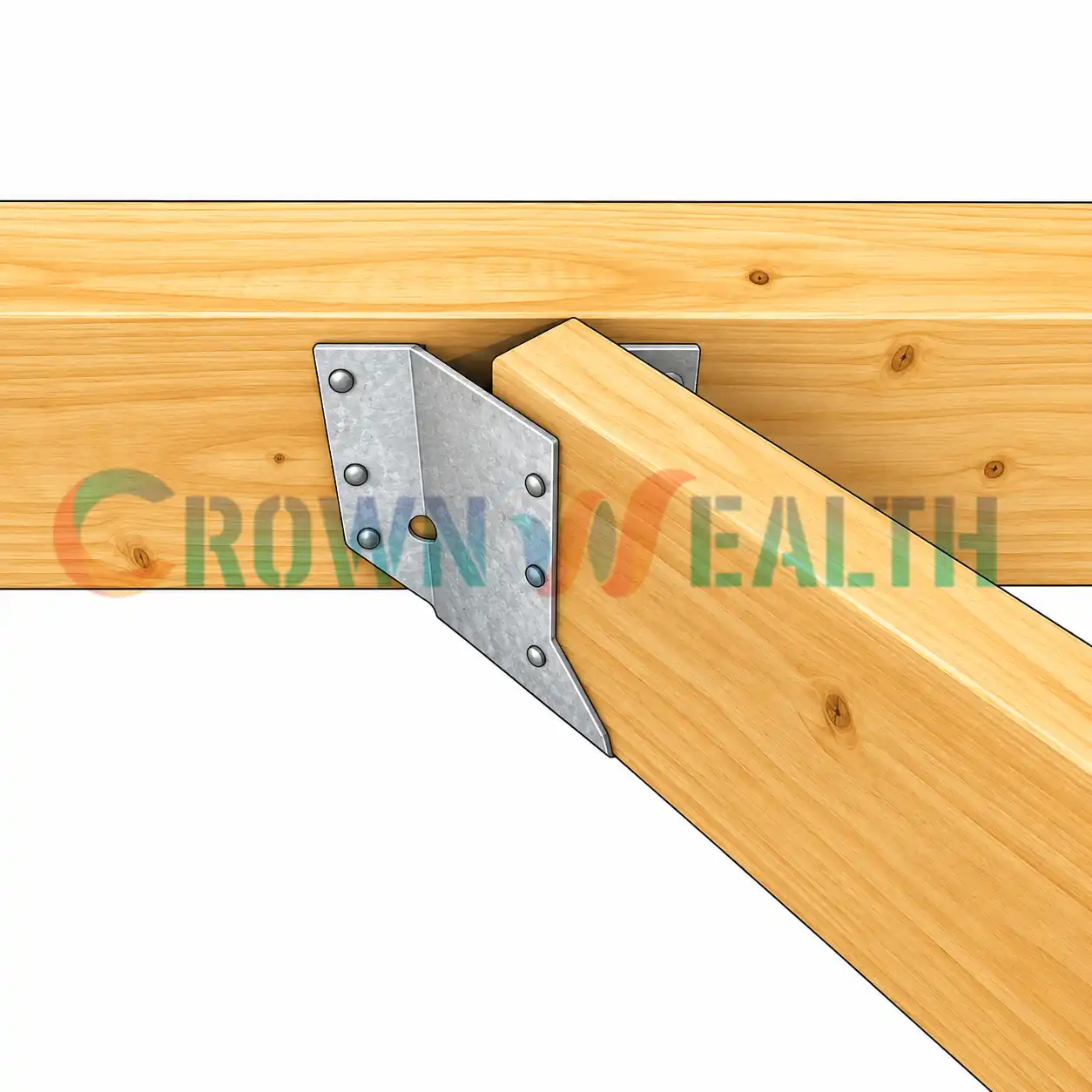
Sloped joist hangers are used when a joist connects to a supporting member at an upward or downward slope.
Depending on the design, the hanger may have a fixed-angle seat or a seat that can be adjusted to match the joist slope.
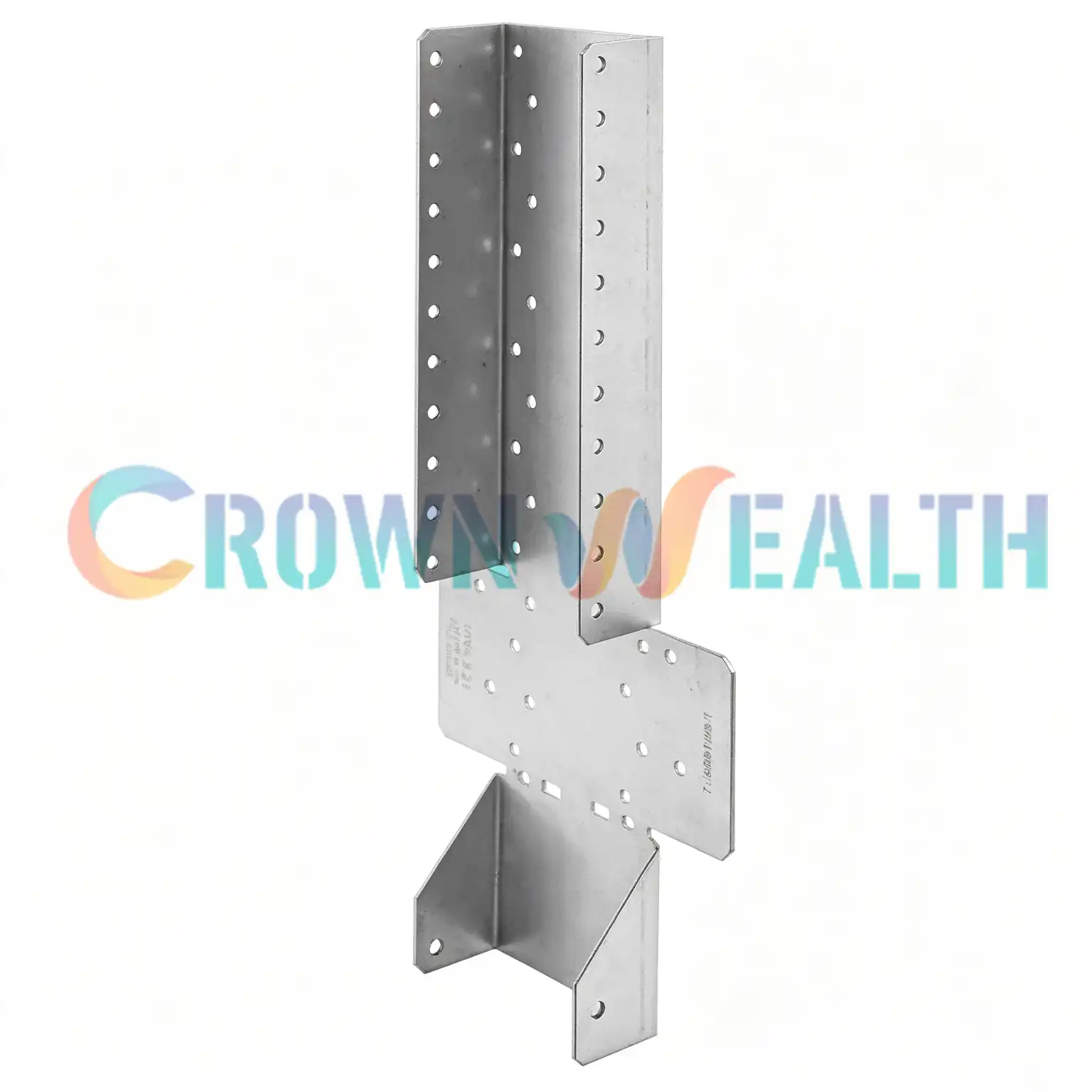
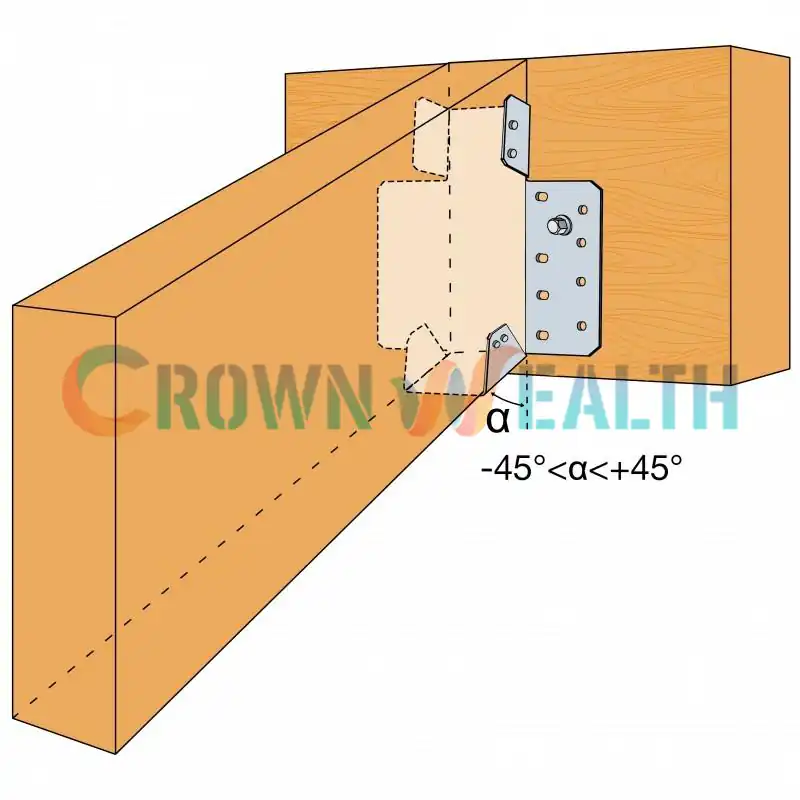
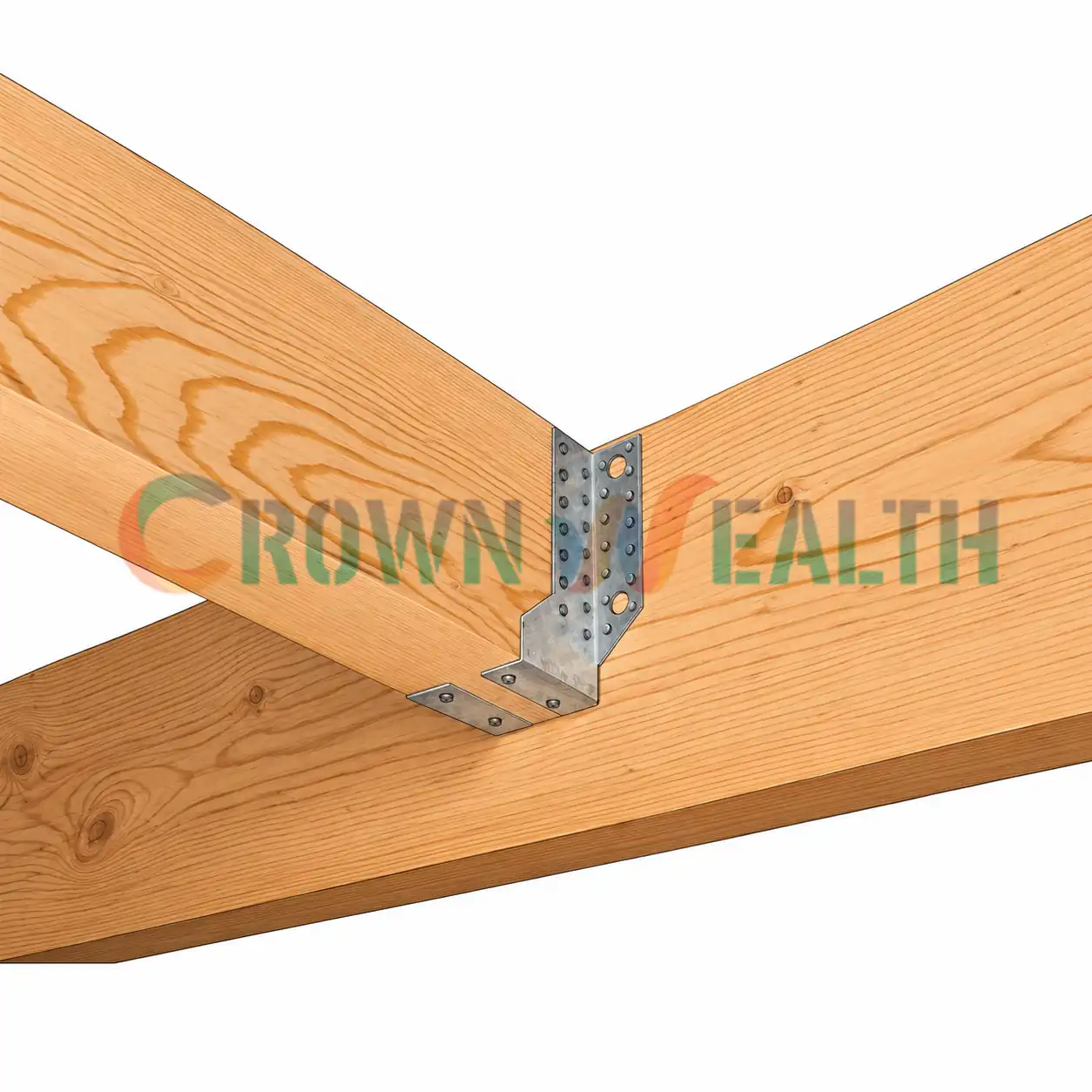
Adjustable Joist Hangers can be classified into adjustable height, adjustable width, and adjustable angle types. Featuring adjustable straps, side plates, or split-component designs, they allow flexibility in installation height, width, and connection angle to accommodate different timber sizes and various structural connection requirements.
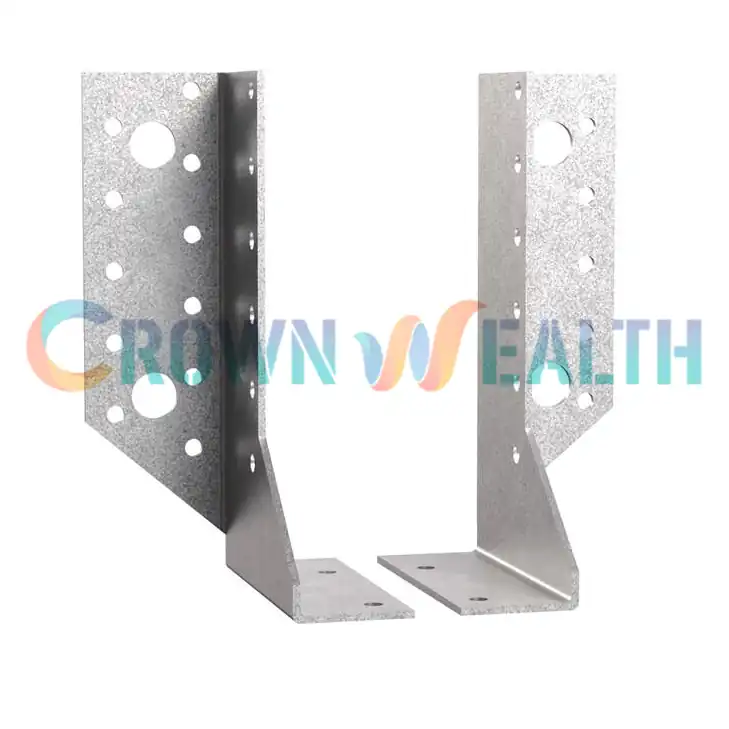
Joist Hangers by Joist Material and Configuration
Joist hangers can also be classified by the type and configuration of the joists they support.
Common examples include solid-sawn lumber, I-joist, LVL, and double joist hangers.
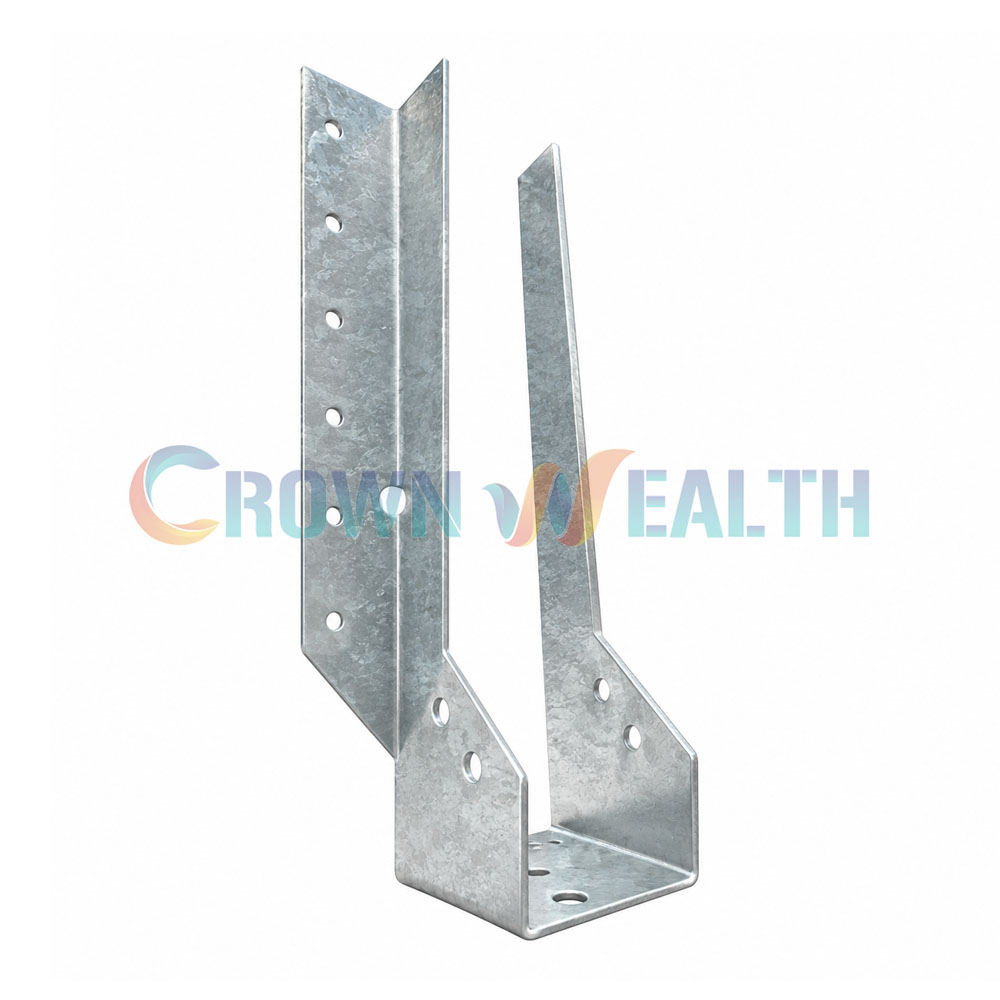
Solid-sawn lumber joist hangers are designed to support conventional solid wood joists.
They typically have a U-shaped steel seat that supports the joist end, along with mounting flanges that connect the hanger to a supporting member.
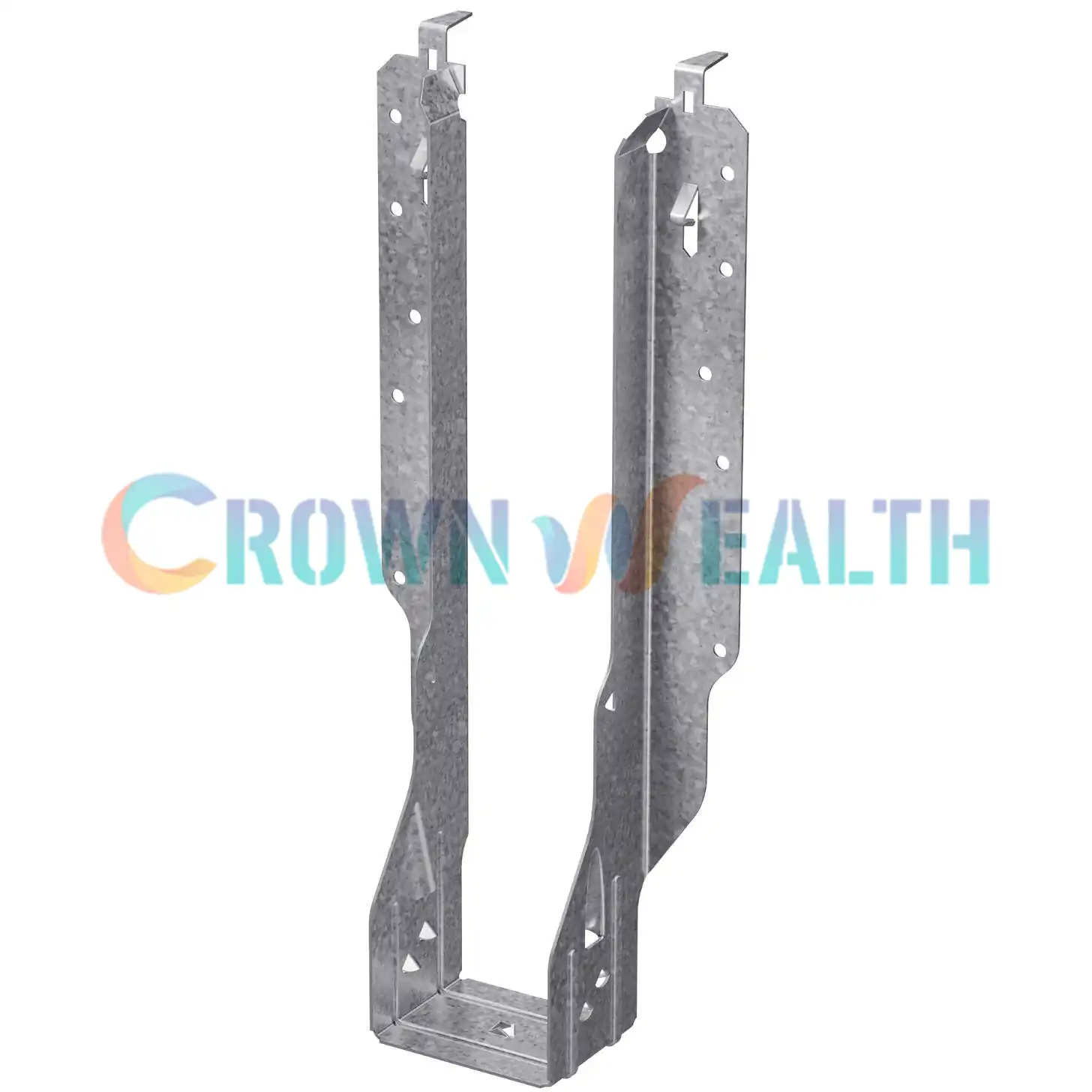
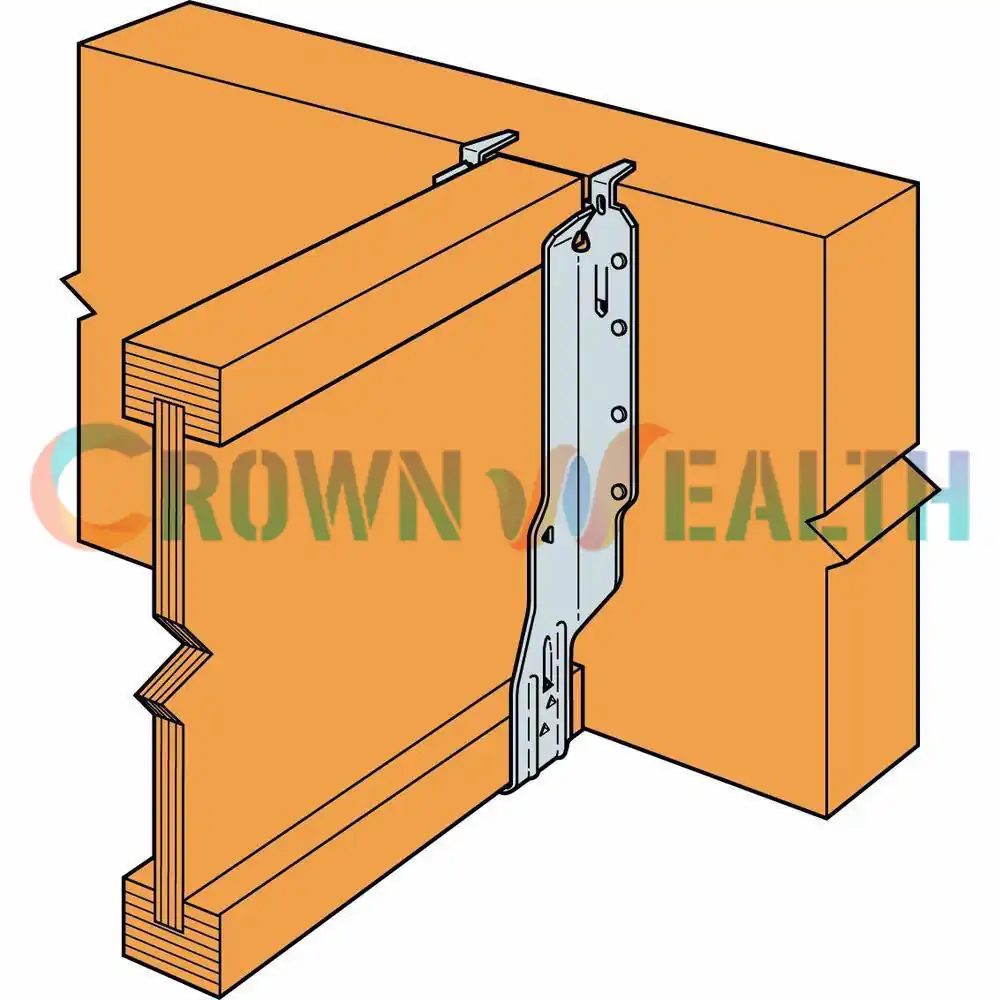
I-joist hangers are designed for engineered wood joists with an I-shaped cross-section.
These joists have two wider flanges connected by a thinner vertical web.
The hanger supports the joist end and connects it to a supporting member. Some installations may also require web stiffeners, depending on the joist and hanger design.
LVL joist hangers are used to support joists made from laminated veneer lumber (LVL).
LVL is an engineered wood product made by bonding multiple layers of thin wood veneer together.
These joists typically have a rectangular cross-section and require hangers that match their dimensions and load requirements.
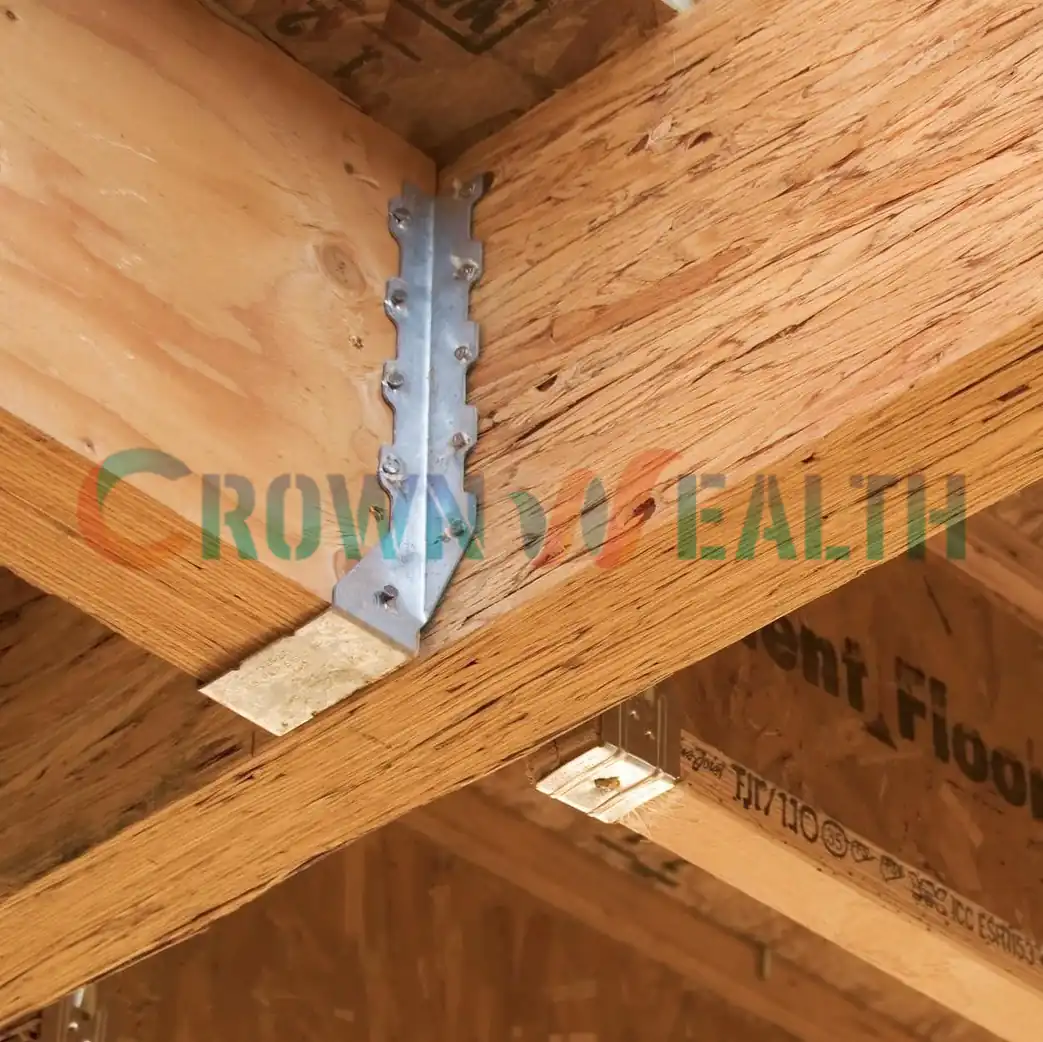
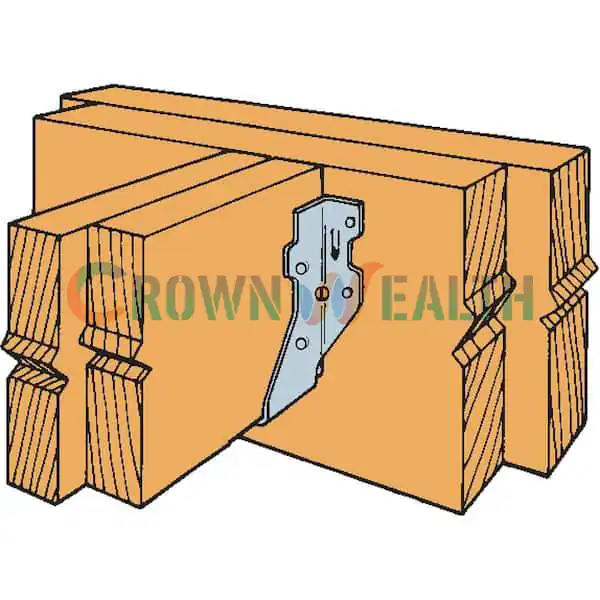
Double joist hangers are designed to support two wood joists installed side by side.
They have a wider seat to accommodate the combined width of the joists and support their ends at the connection.
Joist Hangers by Load Requirements
Joist hangers are available in different load capacities to meet the structural requirements of wood framing projects.
They are often described as standard or heavy-duty models, depending on their design and intended application.
Double joist hangers are designed to support two wood joists installed side by side.
They generally have a steel seat and mounting flanges that provide support and secure the joist to a supporting member when installed with the specified fasteners.
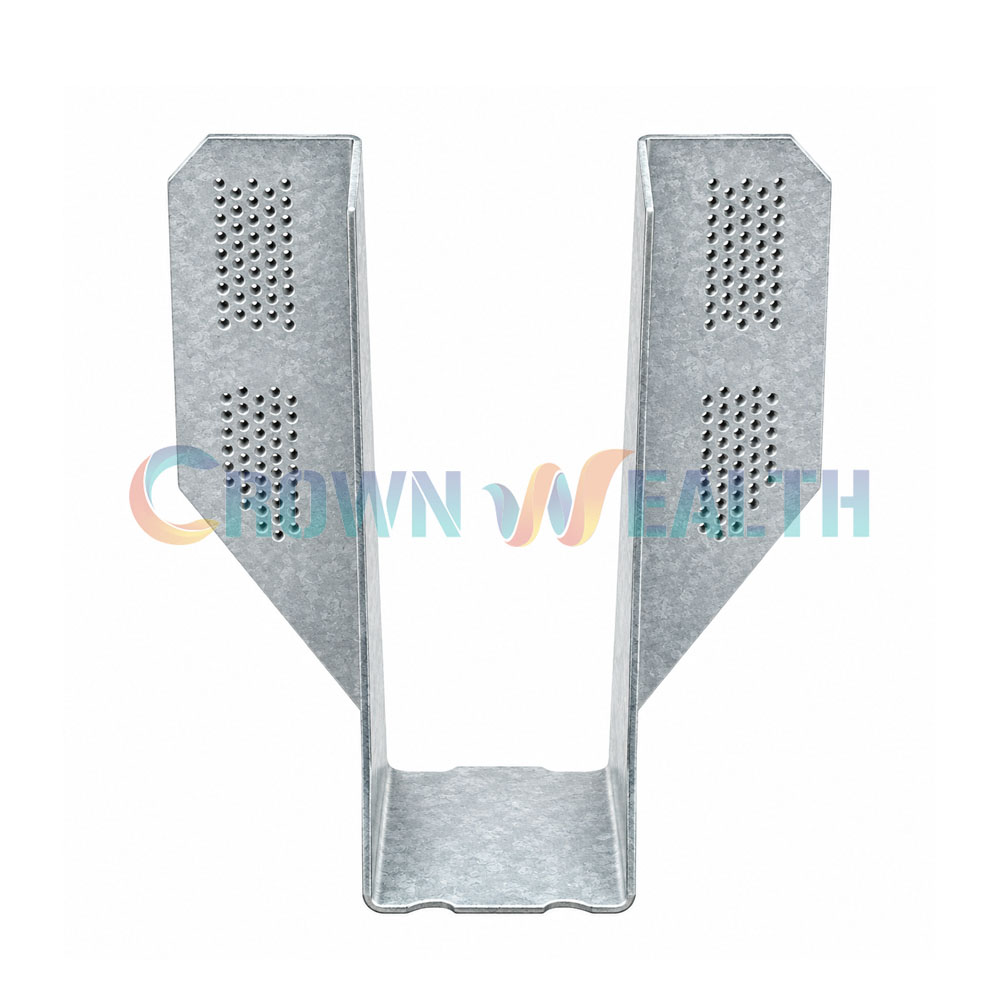
Heavy-duty joist hangers are designed for connections that require higher load capacities.
Depending on the model, they may feature thicker steel, reinforced components, or a greater number of specified fasteners to support higher loads.
Joist Hanger Types Comparison Table
Different types of joist hangers vary in mounting method, connection angle, compatible joist types, and load capacity.
The table below compares their key design features and common applications to help you understand the differences between them.
| Classification | Joist Hanger Type | Key Design Features |
|---|---|---|
| Mounting Method & Flange Design | Face-Mount | Mounting flanges attach to the vertical face of the supporting member. |
| Top-Flange | Top flanges extend over and bear on the supporting member. | |
| Concealed-Flange | Inward-facing flanges reduce exposed metal. | |
| Connection Angle | Skewed | Accommodates connections at non-90° angles in the horizontal plane. |
| Sloped | Accommodates joists installed at a vertical slope. | |
| Adjustable | Allows skew or slope adjustments within specified limits, depending on the model. | |
| Joist Material & Configuration | Solid-Sawn Lumber | Designed for conventional solid wood joists. |
| I-Joist | Designed for engineered wood I-joists. | |
| LVL | Compatible with laminated veneer lumber joists when properly sized and rated. | |
| Double Joist | Features a wider seat to support two joists installed side by side. | |
| Load Requirements | Standard | Designed for typical structural load requirements. |
| Heavy-Duty | Designed for connections requiring higher load capacities. |
What Fasteners Should You Use for Joist Hangers?
Joist hangers are typically installed using suitable nails or structural connector screws. The required fastener type and size depend on the hanger model, so check the product specifications before installation.
Here are four key points to consider:
- Fastener Type: Use nails or structural connector screws specified for the hanger. Avoid ordinary wood screws, deck screws, and drywall screws.
- Corrosion Resistance: Choose fasteners that are compatible with the hanger material, protective coating, and installation environment.
- Fastener Size: Select the correct diameter and length for each installation location. Straight mounting holes and angled double-shear holes may require different fasteners.
- Proper Installation: Install the required number of fasteners in the correct holes, ensuring adequate penetration into the supporting member.
OEM & CUSTOM MANUFACTURING
Hbcrownwealth specializes in manufacturing and supplying metal connectors, including joist hangers. We focus on material selection, precision stamping, and strict quality control to ensure consistent product quality and reliable performance.
With a wide range of joist hanger products, we can recommend suitable solutions based on your project requirements, joist dimensions, application, and installation conditions. Our team is also available to provide professional product guidance and technical support.
Explore Joist HangersFrequently Asked Questions
What type of joist hanger should I use?
The right joist hanger depends on your joist size, material, mounting method, connection angle, and load requirements.
Face-mount and top-flange hangers offer different mounting options, while concealed-flange hangers provide a cleaner appearance. Skewed, sloped, and adjustable hangers are designed for angled connections.
For different joist materials and configurations, you can choose hangers suitable for solid-sawn lumber, I-joists, LVL, or double joists. Heavy-duty models are available for connections requiring higher load capacities.
What are the best joist hangers?
The best joist hanger depends on your joist size, material, connection type, and load requirements. Face-mount hangers are common for standard wood framing, while other designs suit different structural needs.
What is the difference between face-mount and top-flange joist hangers?
Face-mount hangers attach to the vertical face of a supporting member. Top-flange hangers extend over the top of the supporting member and transfer vertical loads partly through direct bearing.
