
Truss connector plates are important structural connectors used in wood trusses. They join timber members together and transfer structural loads between them.
In humid, coastal, or other corrosive environments, these metal connectors may be exposed to moisture, salt, and other corrosive substances. Over time, corrosion can affect their performance and reduce the reliability of truss connections.
Choosing suitable materials, corrosion-resistant coatings, and protective measures can help reduce these risks and extend the service life of truss connector plates.
Understanding Truss Connector Plates
During installation, specialized presses embed the teeth into the wood, creating a secure mechanical connection between adjacent timber members. This allows structural loads to be transferred through the joint.
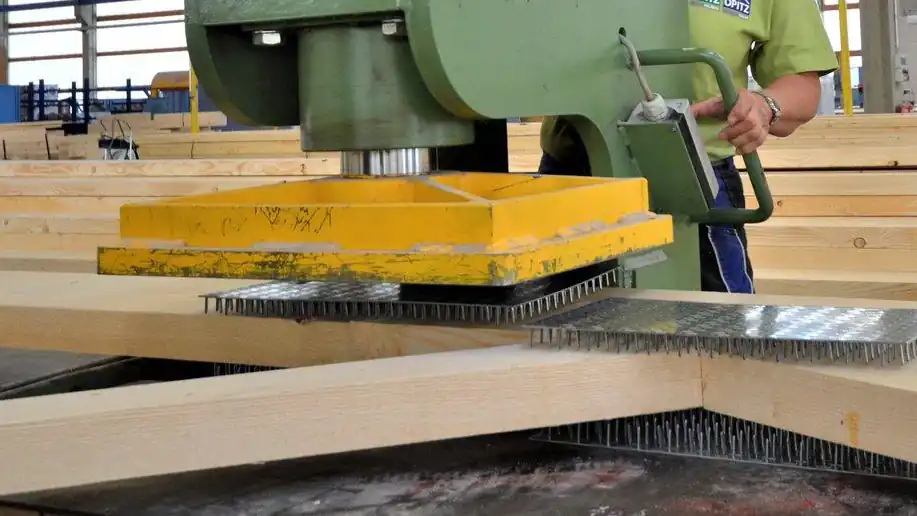
In addition to meeting structural strength requirements, truss connector plates must provide corrosion resistance suitable for their intended service environment.
This is particularly important in damp conditions or areas where moisture exposure may affect their long-term performance.
Precision Manufacturing and Surface Protection
Manufacturing quality affects the dimensional accuracy, tooth geometry, and overall performance of truss connector plates. Material selection and surface protection also play important roles in corrosion resistance.
Galvanized steel is commonly used to manufacture these plates. Its zinc coating forms a protective barrier that reduces direct contact between the steel and corrosive substances.
OEM & CUSTOM MANUFACTURING
Inspecting Damage and Signs of Corrosion
Regular inspections can help identify corrosion, surface damage, and signs of connection deterioration.
For wood trusses in service, particular attention should be paid to joints exposed to moisture, condensation, or other corrosive conditions.
During inspections, look for the following signs:
Surface Corrosion
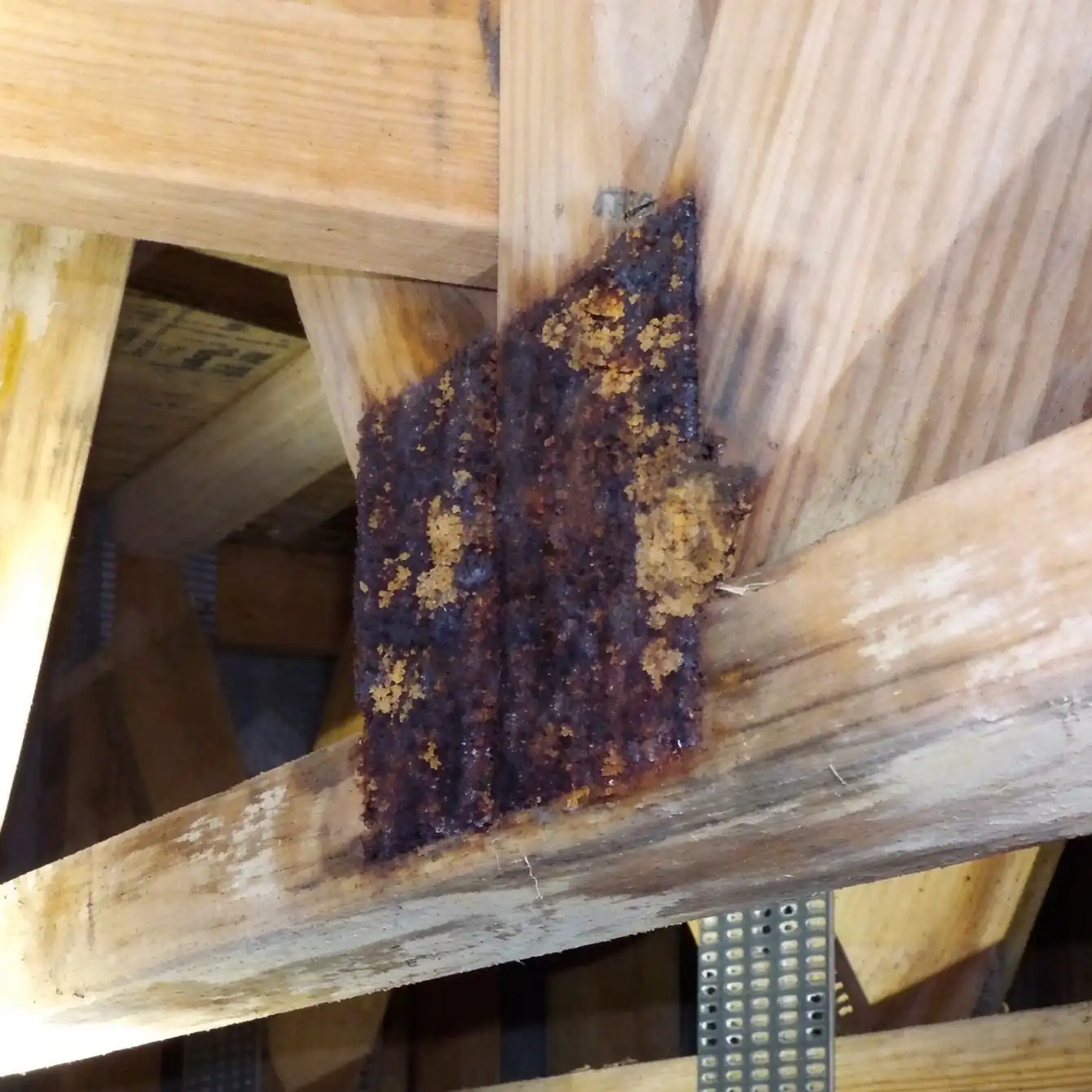
Inspect the connector plates for signs of corrosion, such as white rust, red rust, or surface discoloration.
While minor white rust may not affect structural performance, visible red rust or worsening corrosion should be assessed to determine the extent of the damage.
Coating Damage
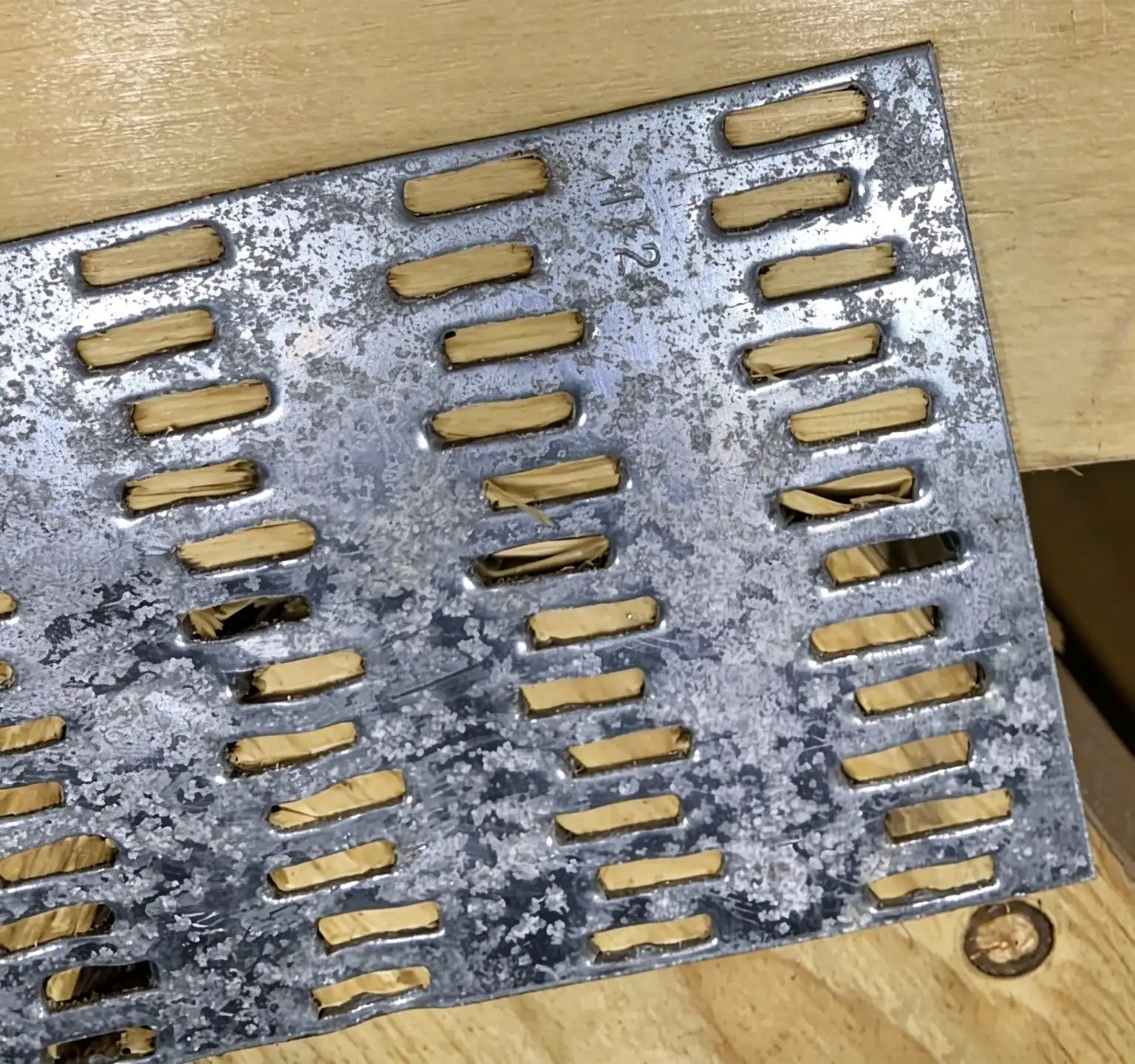
Inspect the galvanized coating for scratches, flaking, or other signs of damage.
Pay particular attention to cut edges and areas exposed to moisture, as these locations may be more vulnerable to corrosion.
Physical Deformation
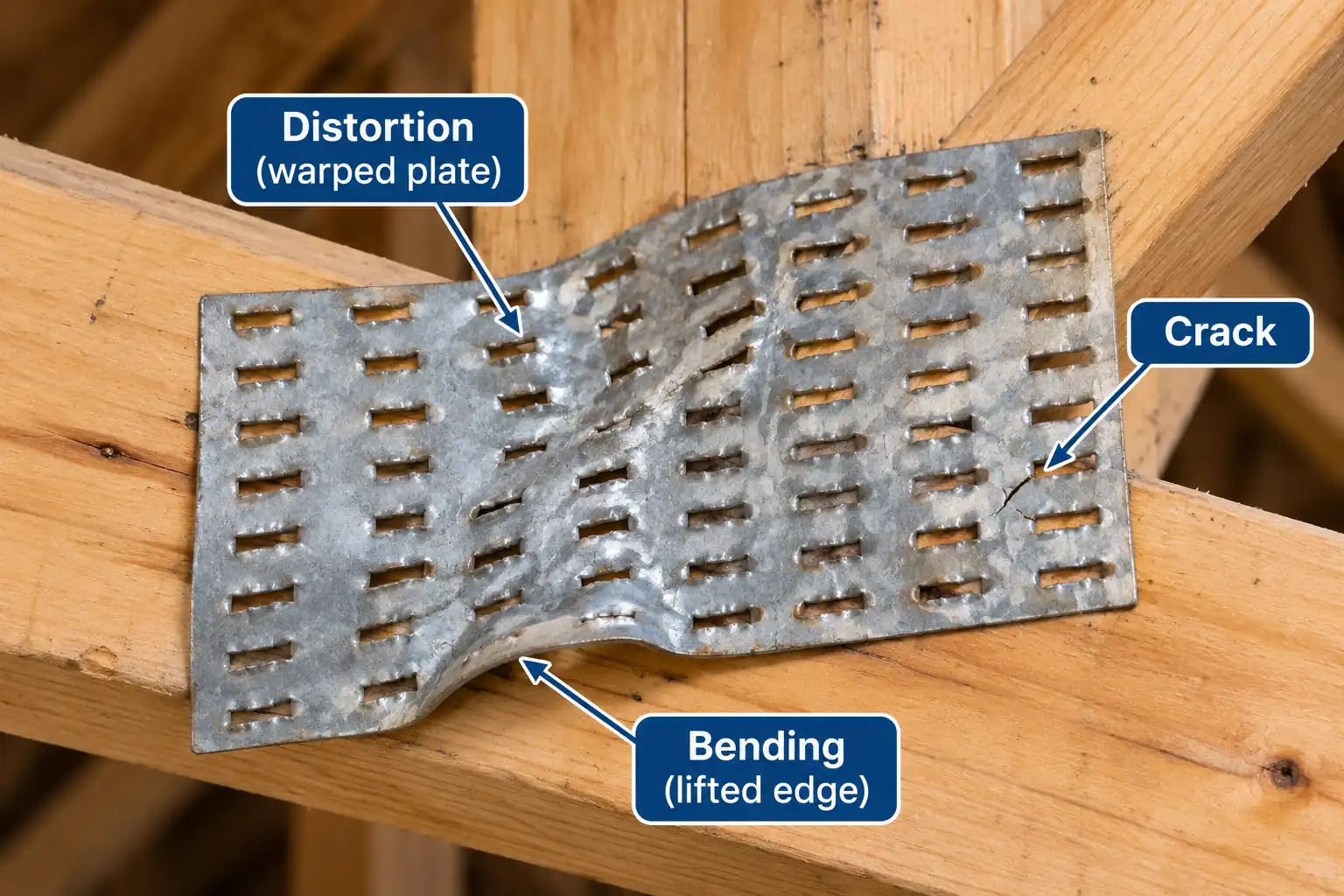
Inspect connector plates for bending, distortion, cracks, or other visible mechanical damage.
Connection Condition
Check for visible separation between the connector plate and the wood. Also look for timber splitting, decay, or signs of loose connections.
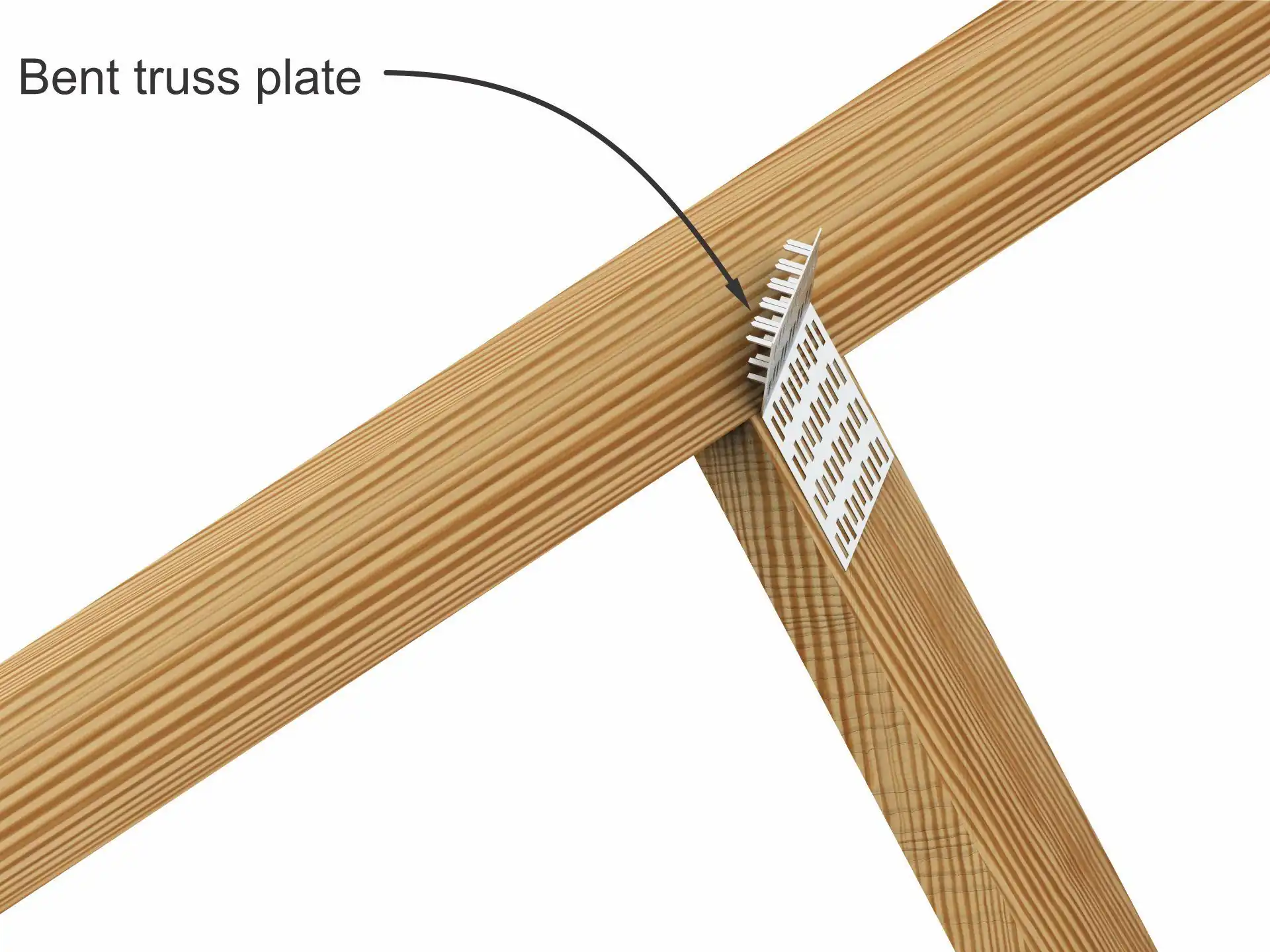
If you notice significant corrosion, a bent connector plate, or a loose connection, have the affected truss inspected by a qualified structural engineer.
Visual inspection alone is not enough to determine whether a load-bearing truss is structurally sound.
Preventing Corrosion in Different Environments
Corrosion risk depends largely on the conditions in which truss connector plates are used.
High humidity, prolonged moisture exposure, coastal salt spray, and certain chemicals in preservative-treated wood can accelerate corrosion.
Therefore, selecting suitable materials and protective measures for the intended service environment is essential.
The following practices can help reduce corrosion risks:
Choose Suitable Materials
Select metal connector plates with corrosion resistance appropriate for your project’s environmental conditions, timber type, and structural requirements.
Keep Truss Connections Dry
Proper roof design, adequate ventilation, and regular maintenance can help prevent water intrusion and reduce condensation around wood truss connections.
Keeping these areas dry helps minimize corrosion risks and protect the long-term performance of metal connectors and surrounding timber.
Use Compatible Connectors with Treated Wood
Certain wood preservatives can accelerate corrosion in metal connectors.
When working with treated wood, choose truss connector plates with coatings suitable for the preservative chemicals and intended service conditions.
Perform Regular Inspections
Inspect connector plates and surrounding timber according to the structure’s maintenance requirements and exposure conditions.
Early detection of corrosion or physical damage can help prevent more serious connection problems.
