
What Is a Joist Hanger and What Does It Do?
A joist hanger is a metal connector used in wood construction to secure a joist to a supporting structural member, such as a ledger board or beam, when the joist has no direct support underneath.
The hanger has a seat at the bottom to support the end of the wood joist. When properly installed, it transfers the load from the joist to the supporting structure, providing reliable support and helping create a strong, stable connection.
Tools and Materials Needed to Install Joist Hangers
Tools Required
- Claw Hammer
- Drill or Impact Driver
Materials Required
- Joist Hangers
- Wood Joists
- 1½-inch Galvanized Joist Hanger Nails
- 10d or 16d Galvanized Common Nails
How to Install Joist Hangers Properly
Proper installation of a joist hanger provides reliable support for the end of a wood joist and transfers the load to a ledger board or supporting beam. Before installation, make sure the joist hanger model, joist dimensions, and fasteners meet the manufacturer’s requirements.
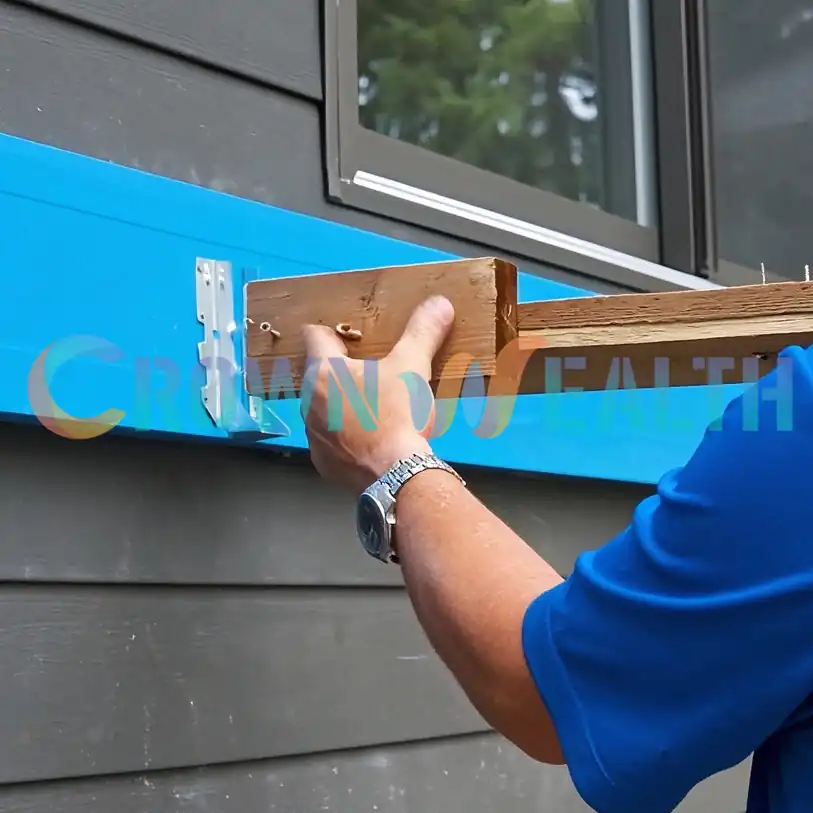
Install a Temporary Support Block
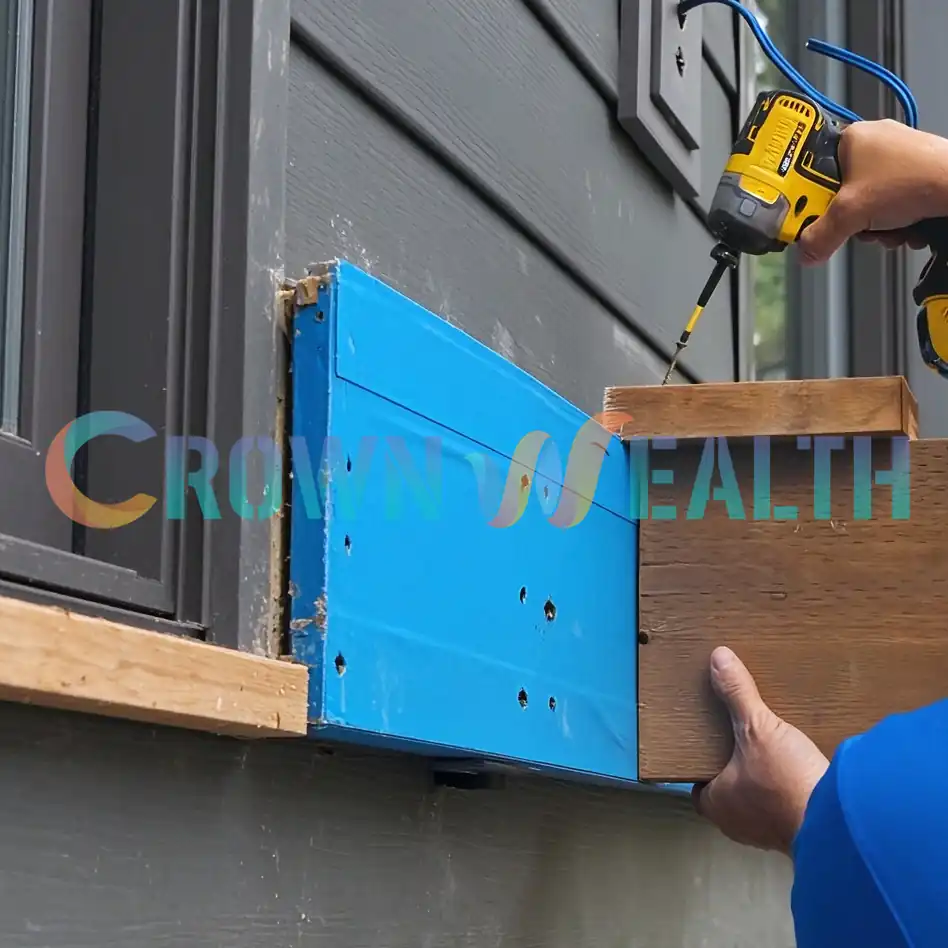
First, use screws to attach a temporary 2×4 wood block to the joist.
Place the joist in its intended position, then secure the block to the ledger board with a temporary screw to hold the joist at the correct height.
Check the Joist Position
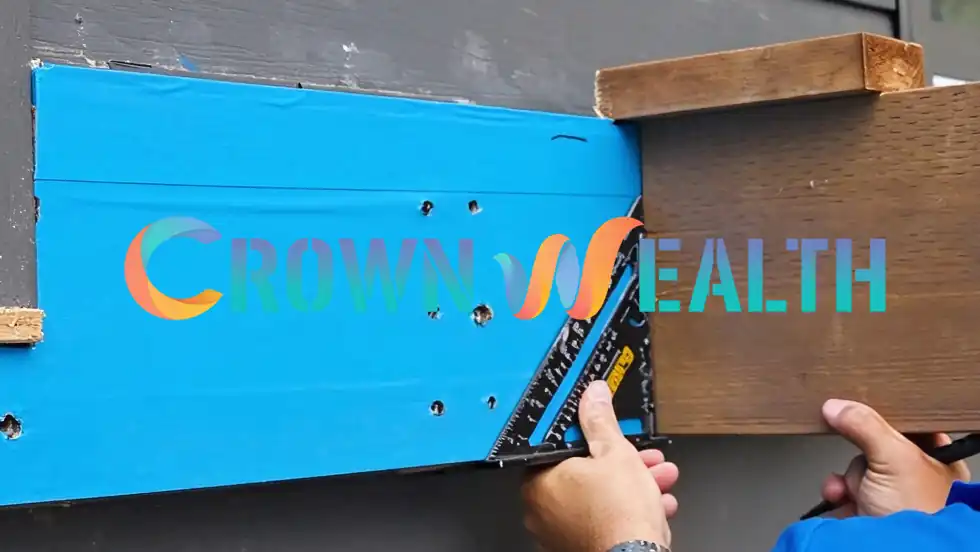
Make sure the joist is level, perpendicular to the ledger board, and positioned at the correct height.
Once the joist is properly positioned, mark its location so you can check for any movement during installation.
How To Attach Joist Hangers
Place the joist hanger around the end of the wood joist. Push the hanger upward until the seat rests firmly against the bottom of the joist. Make sure both hanger flanges sit flush against the ledger board.
Once the hanger is properly positioned, secure both flanges with structural connector screws.
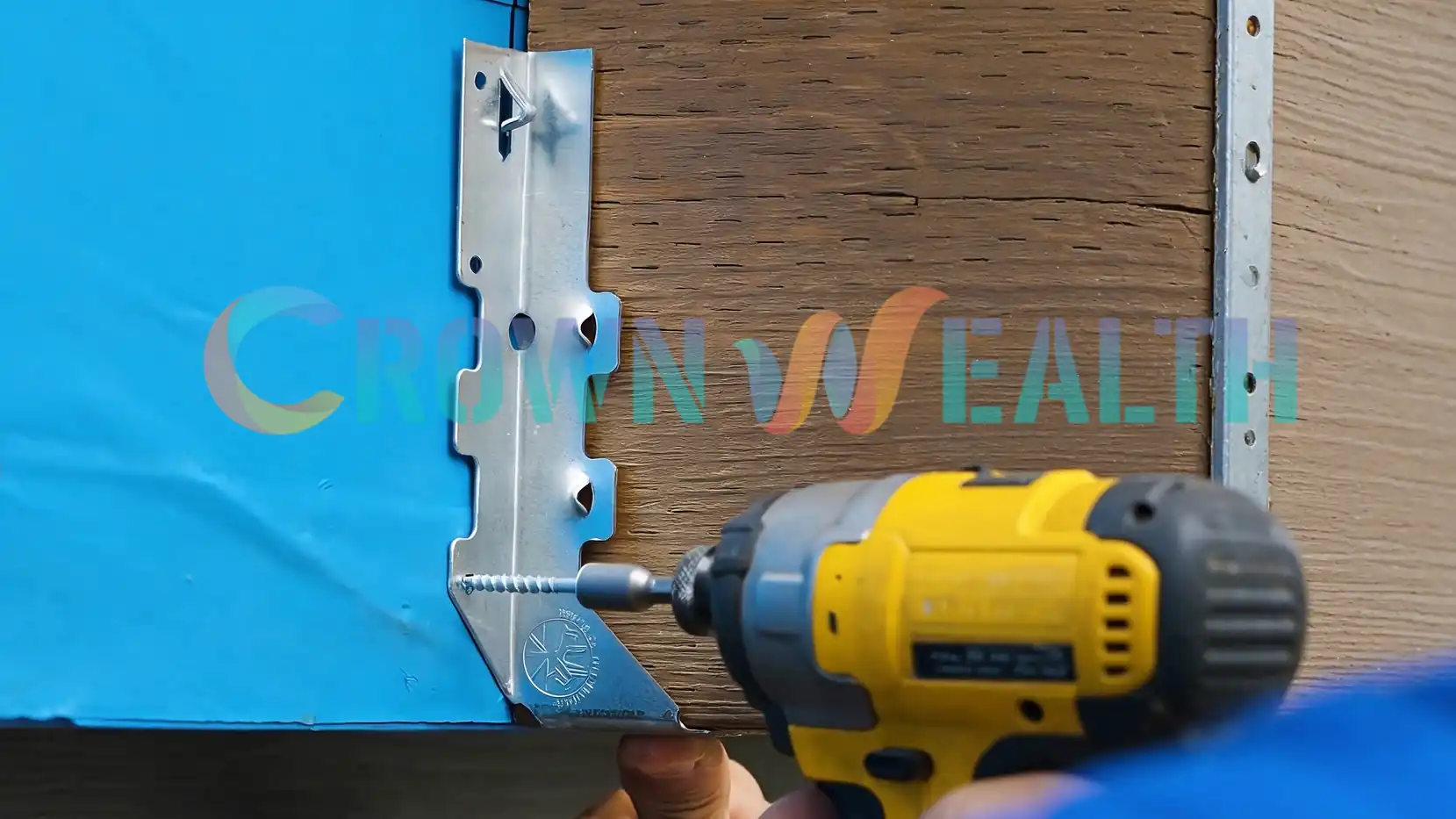
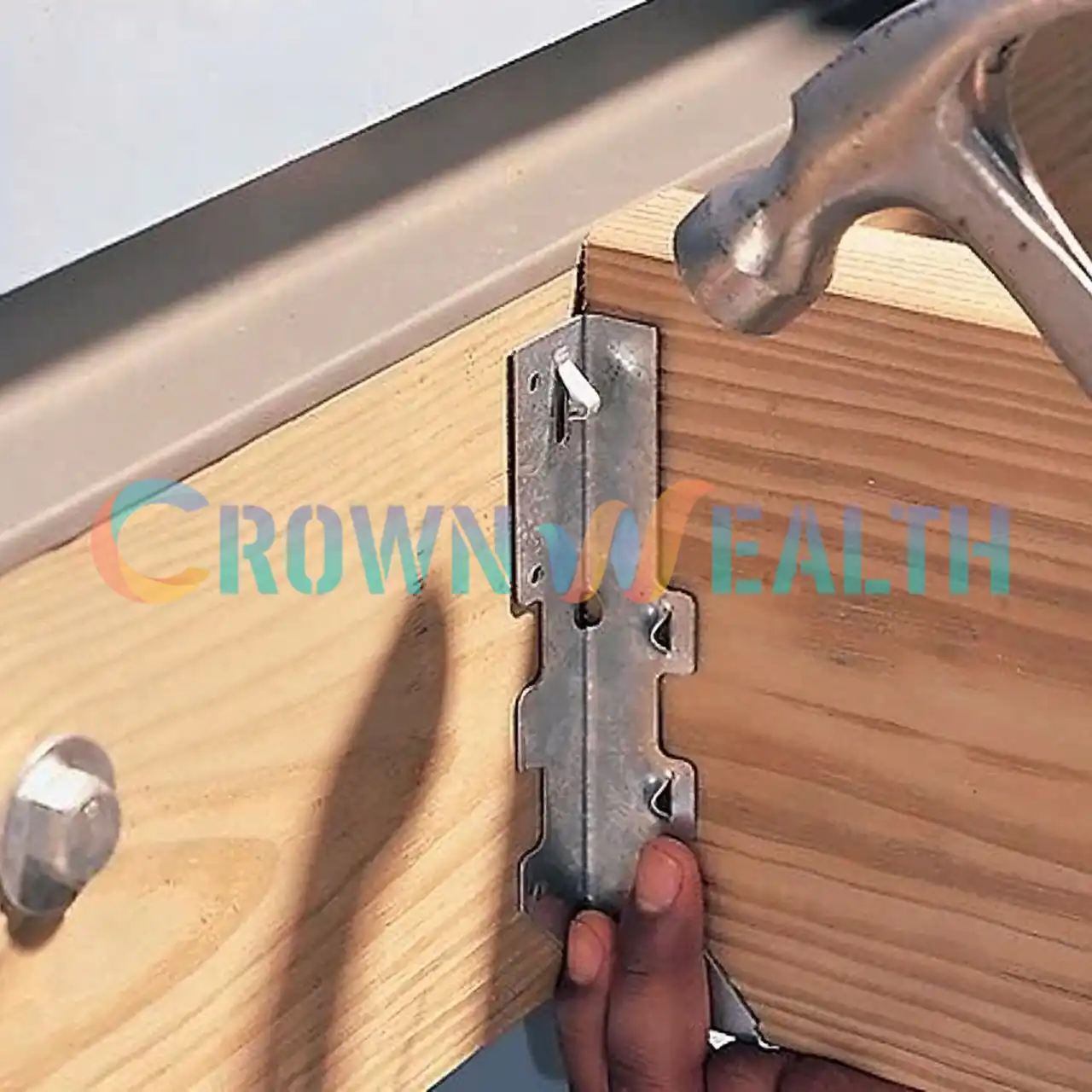
note:Some joist hangers have speed prongs or locator tabs to help hold the hanger in place during installation.
Install the Angled Structural Connector Screws
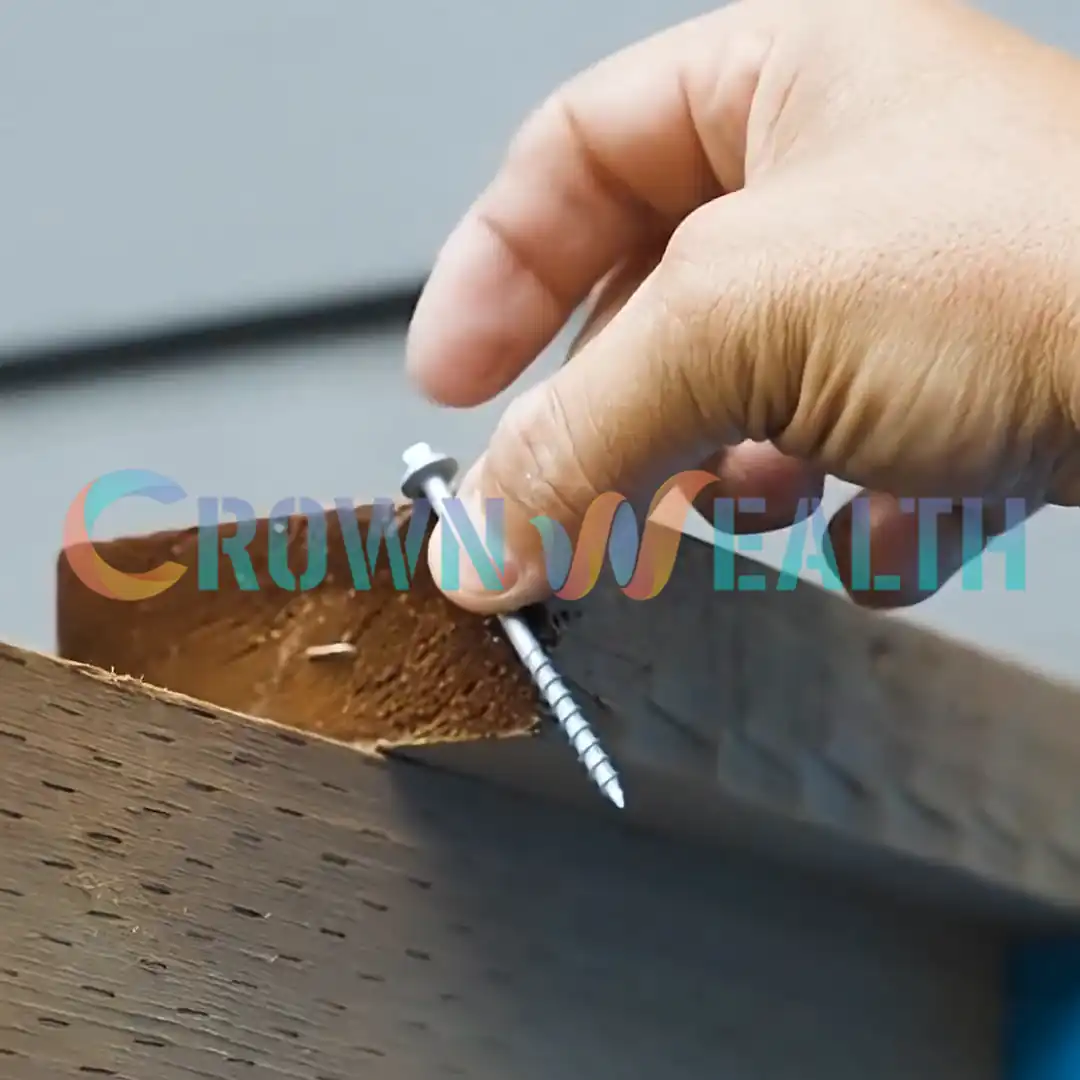
For joist hangers with double-shear holes, install angled structural connector screws to provide a secure connection between the joist and the supporting structure.
Drive the screws through the angled holes in the hanger, through the wood joist, and into the ledger board to create a double-shear connection.
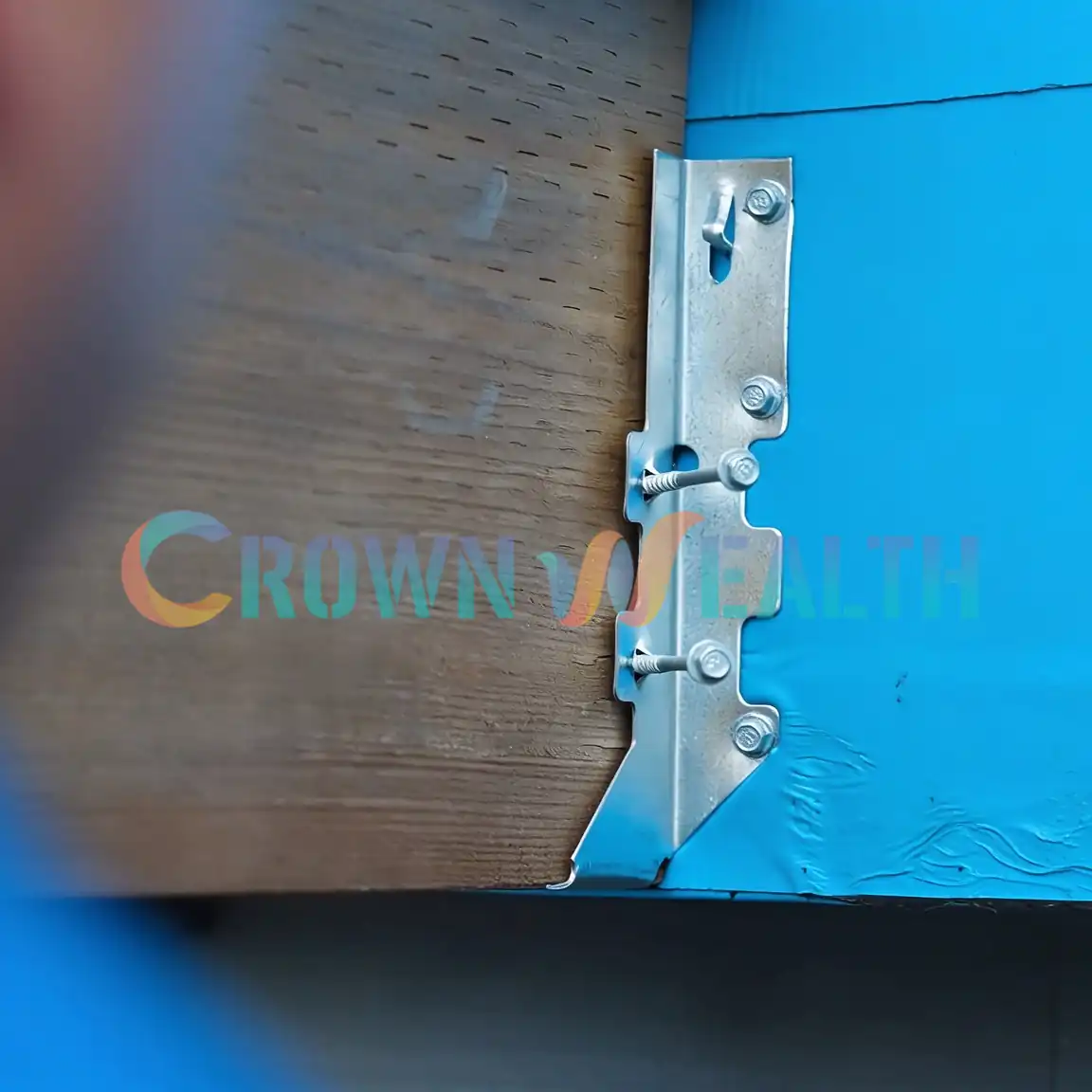
Inspect All Connections
After installing the screws, check that the joist rests firmly on the hanger seat, both flanges sit flush against the supporting structure, and all screws are securely fastened.
Remove the Temporary Support Block
Once the joist hanger is securely installed and the joist is properly supported, remove the temporary 2×4 wood block.
Finally, check the joist position and all connections to make sure everything is installed correctly.
OEM & CUSTOM MANUFACTURING
Hbcrownwealth specializes in manufacturing and supplying metal connectors, including joist hangers. We focus on material selection, precision stamping, and strict quality control to ensure consistent product quality and reliable performance.
With a wide range of joist hanger products, we can recommend suitable solutions based on your project requirements, joist dimensions, application, and installation conditions. Our team is also available to provide professional product guidance and technical support.
Explore Joist HangersFrequently Asked Questions
Should I Use Nails or Screws for Joist Hangers?
You can use either joist hanger nails or approved structural connector screws, depending on the hanger model and installation requirements.
Joist hanger nails are commonly used in wood framing and can be installed with a hammer or a compatible nail gun. Structural connector screws are installed with a drill or impact driver, making them a convenient option when working in tight spaces.
What Size Nails Should I Use for Joist Hangers?
Common sizes include 1½-inch joist hanger nails and 10d or 16d galvanized common nails. Shorter nails may be suitable for some hanger flange connections, while double-shear connections generally require longer fasteners.
Can I Use 1½-Inch Nails for Joist Hangers?
Yes, you can use 1½-inch joist hanger nails in the face-mounting holes of many joist hangers, as long as they meet the manufacturer’s specifications and local building code requirements.
However, do not use 1½-inch nails in angled or double-shear holes. These nails are too short to provide the required penetration into the supporting structure. Instead, use longer nails or approved structural connector screws as specified for the hanger.
Do I Need to Fill Every Hole in a Joist Hanger?
Whether you need joist hangers on one or both sides of a beam depends on your framing design, how the joists are supported, and the structural load requirements.
Can I Use Deck Screws for Joist Hangers?
No, ordinary deck screws are not suitable for joist hanger installation unless specifically approved for that connection. Instead, use joist hanger nails or structural connector screws designed and rated for metal connectors.
Do I Need Joist Hangers on Both Ends of a Joist?
Not always. You need a joist hanger wherever the joist requires a supported connection without direct bearing underneath. If the other end rests directly on a supporting beam or wall, a hanger may not be necessary. The correct connection depends on your framing design.
Can I Use Joist Hangers with Pressure-Treated Lumber?
Yes, you can use joist hangers with pressure-treated lumber, but you must choose corrosion-resistant hangers and fasteners because the copper-based preservatives in treated wood can accelerate metal corrosion. For most outdoor applications, G185 ZMAX or suitable hot-dip galvanized hardware is commonly used, while stainless steel (304 or 316) is recommended for coastal or high-moisture environments. Always use compatible hangers and fasteners to help prevent galvanic corrosion and ensure a durable, reliable connection.
